Guide
Ultimate Guide to B2B Contact Lists
Everything you need to know about building accurate, compliant, and high-converting B2B contact lists.
18 min read May 6, 2026

Business Data Library
Guides, templates, checklists, and insights to help you find, clean, enrich, and use business data with confidence.
Featured Resources
Popular and helpful resources to get you started.
All Resources
69 resources

Understand which checks happen at the syntax, domain, and mailbox levels and why vendor terminology can be confusing.

Why a verifier may not be able to classify a mailbox confidently, and what you should do with unresolved results.

Learn what verification accuracy can and cannot promise, why tools disagree, and how to benchmark results yourself.

See how SMTP mailbox checks work, what server responses mean, and why catch-all domains complicate the result.

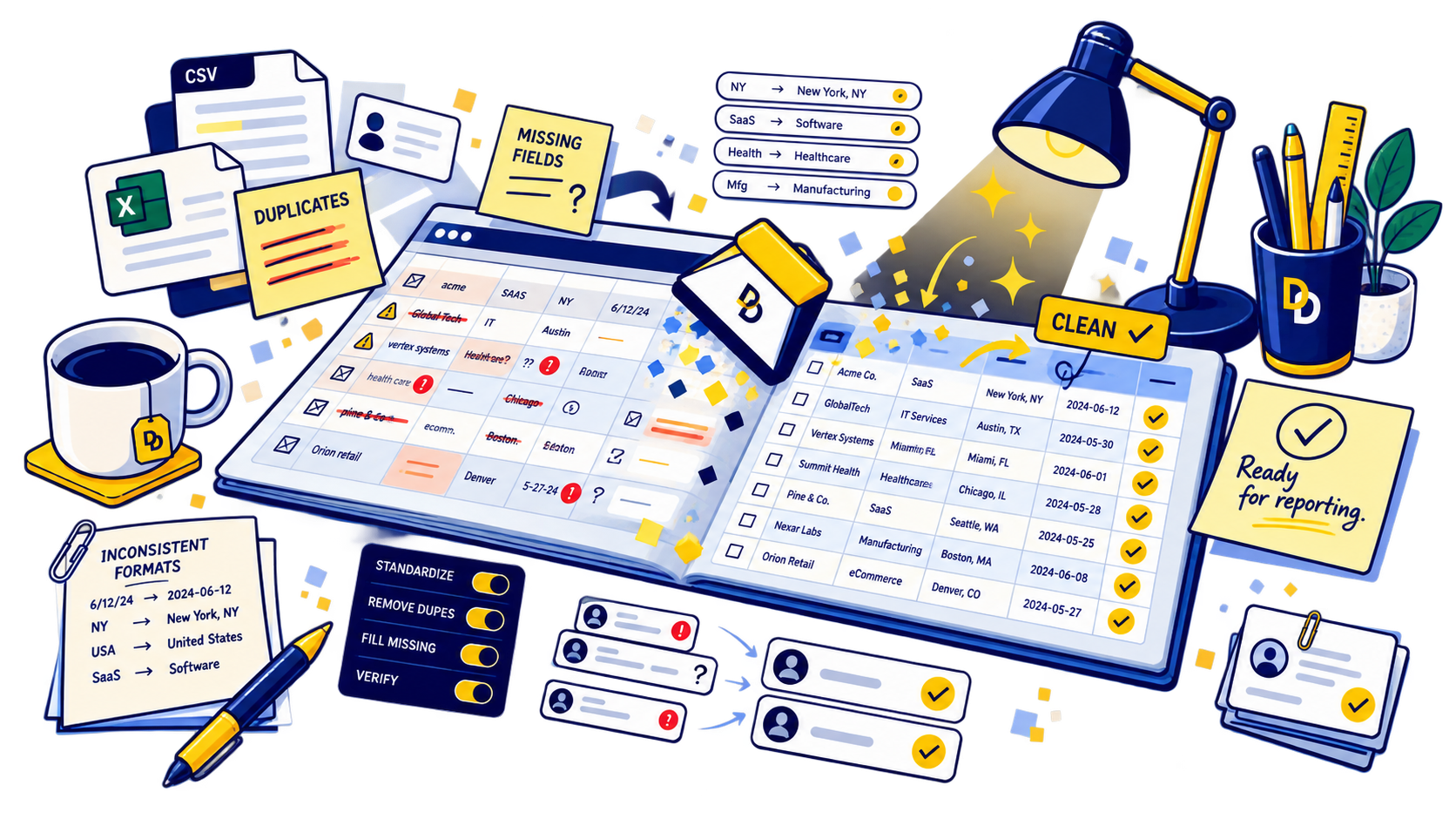
Clean duplicates, formatting issues, invalid addresses, catch-all records, role accounts, and stale data before outreach.

Understand what role accounts are, why verifiers flag them, and when a shared inbox does or does not belong in your list.
A practical walkthrough of syntax, domain, MX, disposable, role, mailbox, and catch-all checks.
What verification tools can check without putting a message in someone's inbox, plus where SMTP verification has limits.
Understand DNS, MX records, mail providers, and why a healthy domain does not automatically mean a valid mailbox.
Learn how temporary inboxes work, why they matter for business data, and how verification tools detect disposable domains.
Understand hard and soft bounces, what can be checked before sending, and why verification reduces risk without promising delivery.
Learn what catch-all email means, why catch-all domains are difficult to verify, how catch-all differs from mailbox validity, and how to handle these addresses in a B2B list.
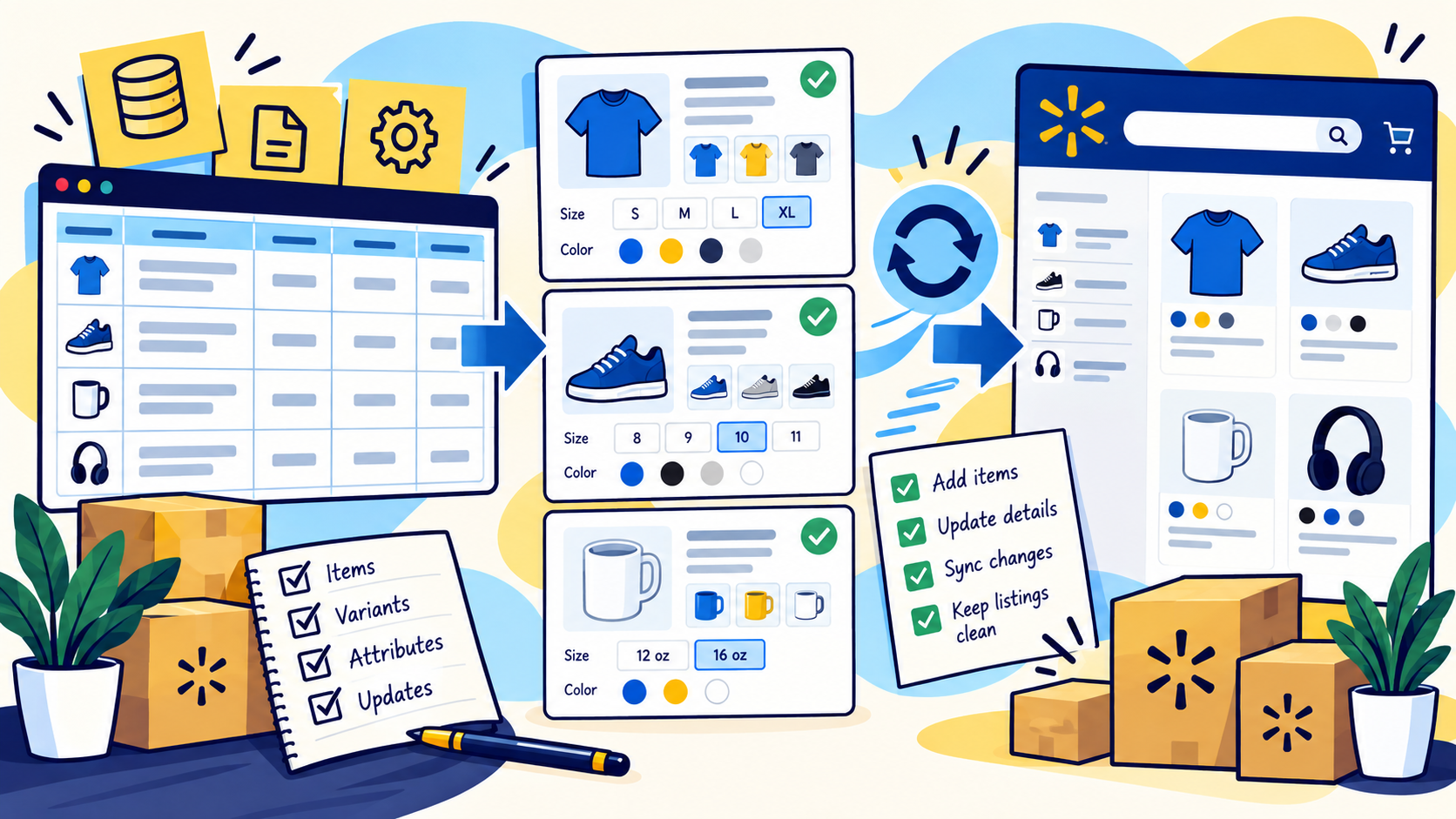
Manage Walmart item setup, product IDs, product types, variant groups, bulk templates, content updates, and recurring catalog QA.
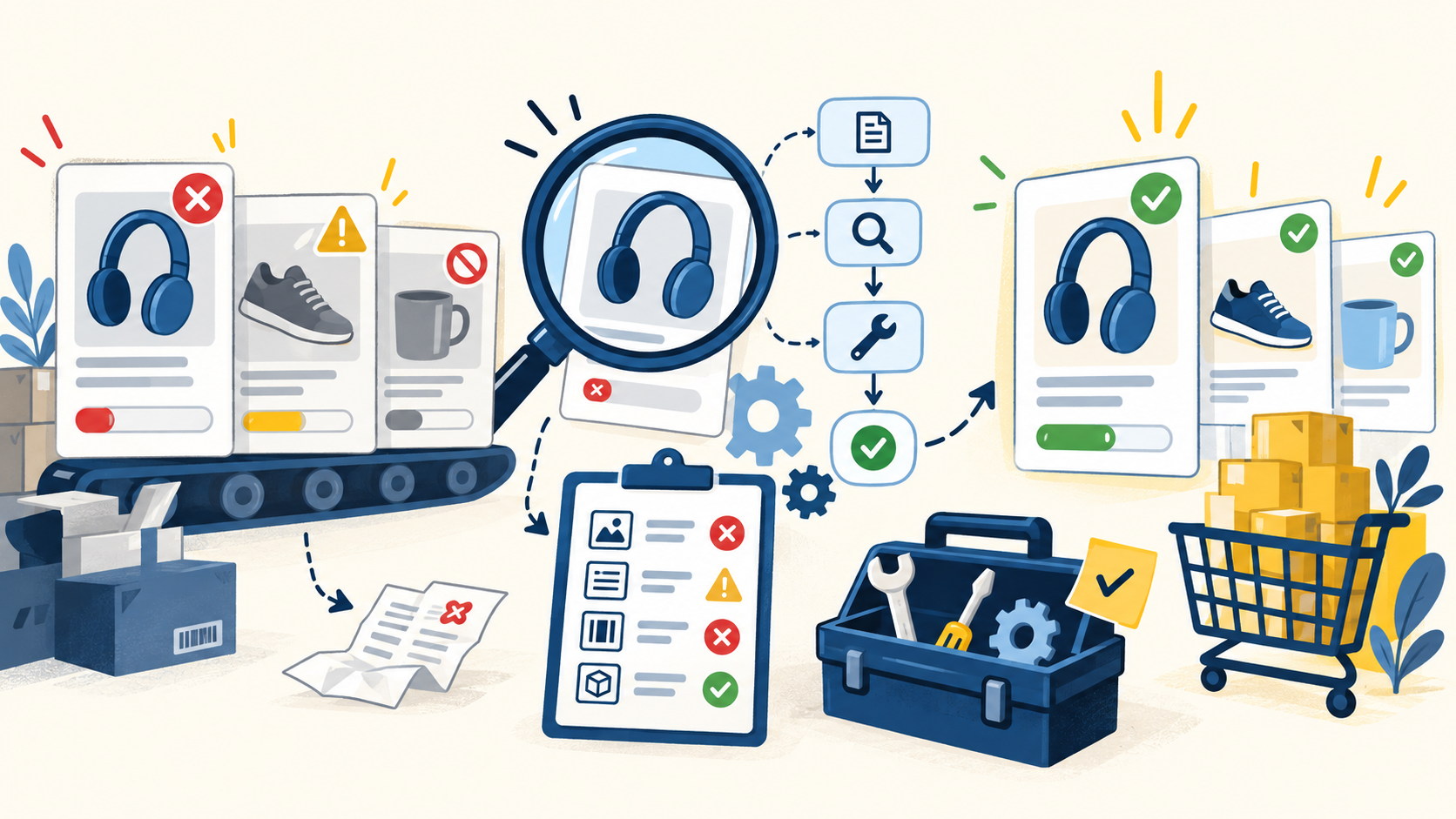
Manage IDs, destination attributes, feed rules, refresh cadences, transformations, diagnostics, and recurring feed QA.
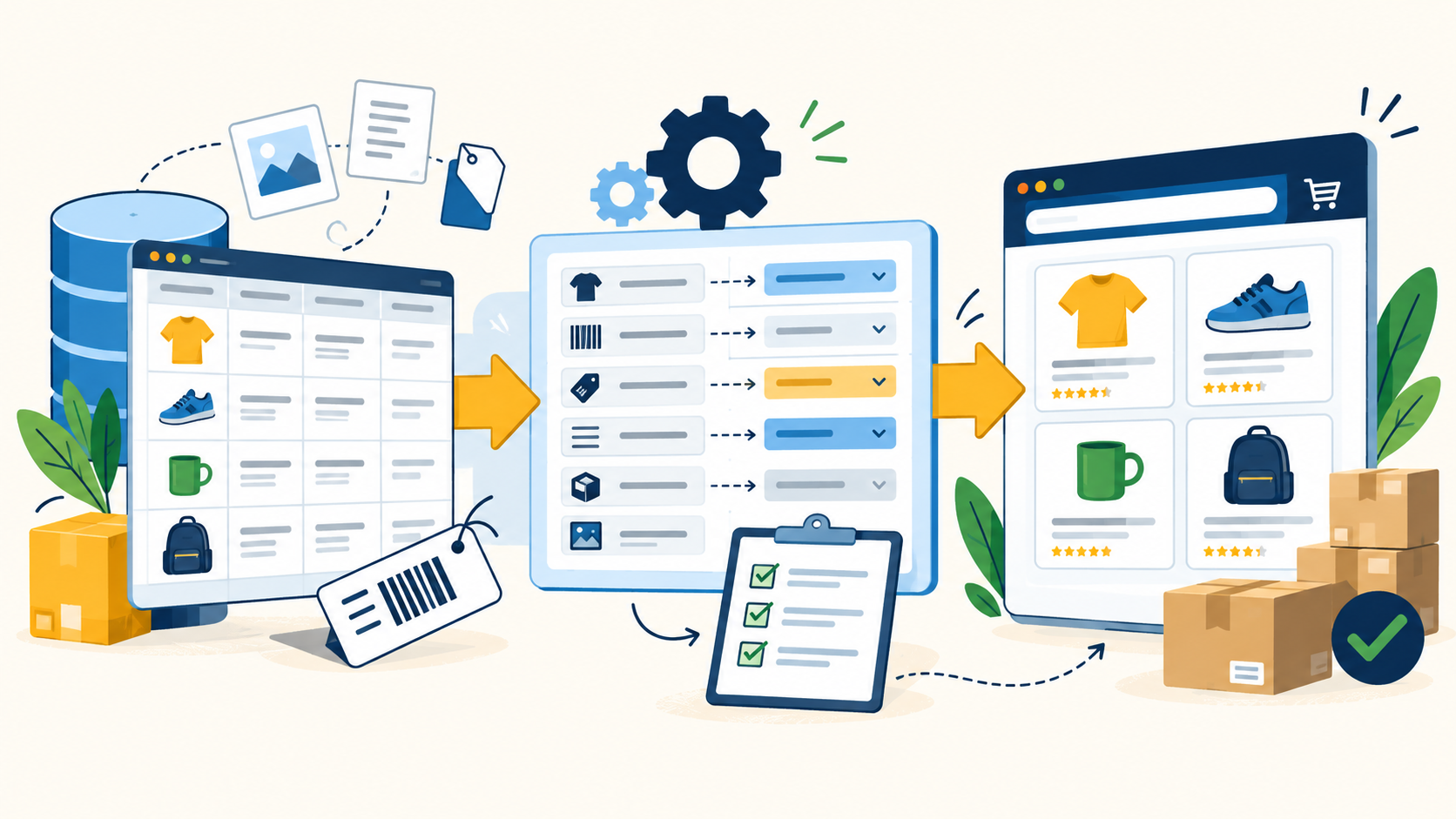
Prepare source fields, category mappings, transformations, required attributes, identifiers, exceptions, and QA for Rithum marketplace workflows.
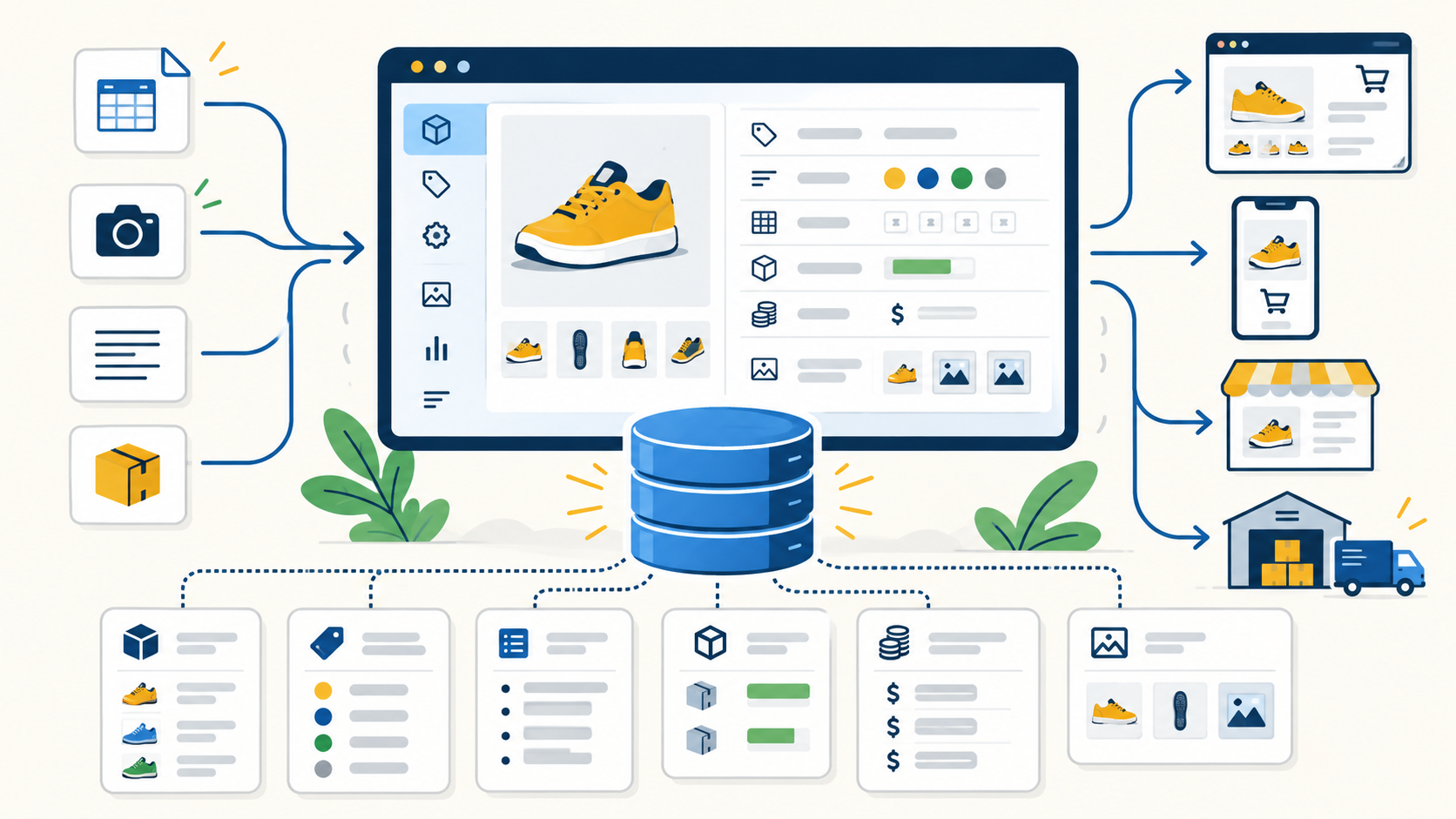
Keep one reliable product foundation while managing channel mappings, ownership, exceptions, updates, and recurring catalog QA.
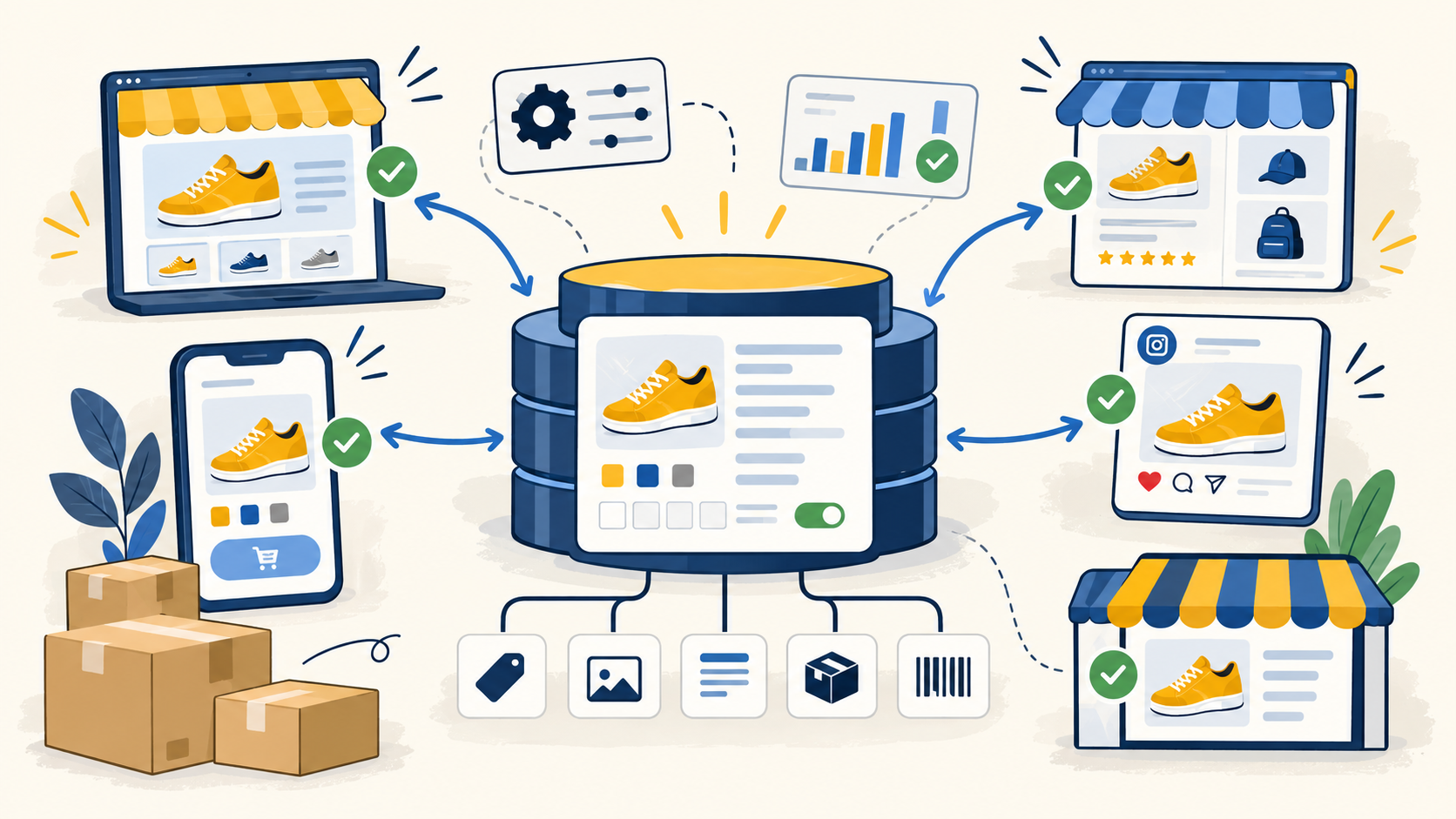
Manage Shopify handles, variants, categories, metafields, CSV imports, inventory boundaries, and recurring catalog quality checks.
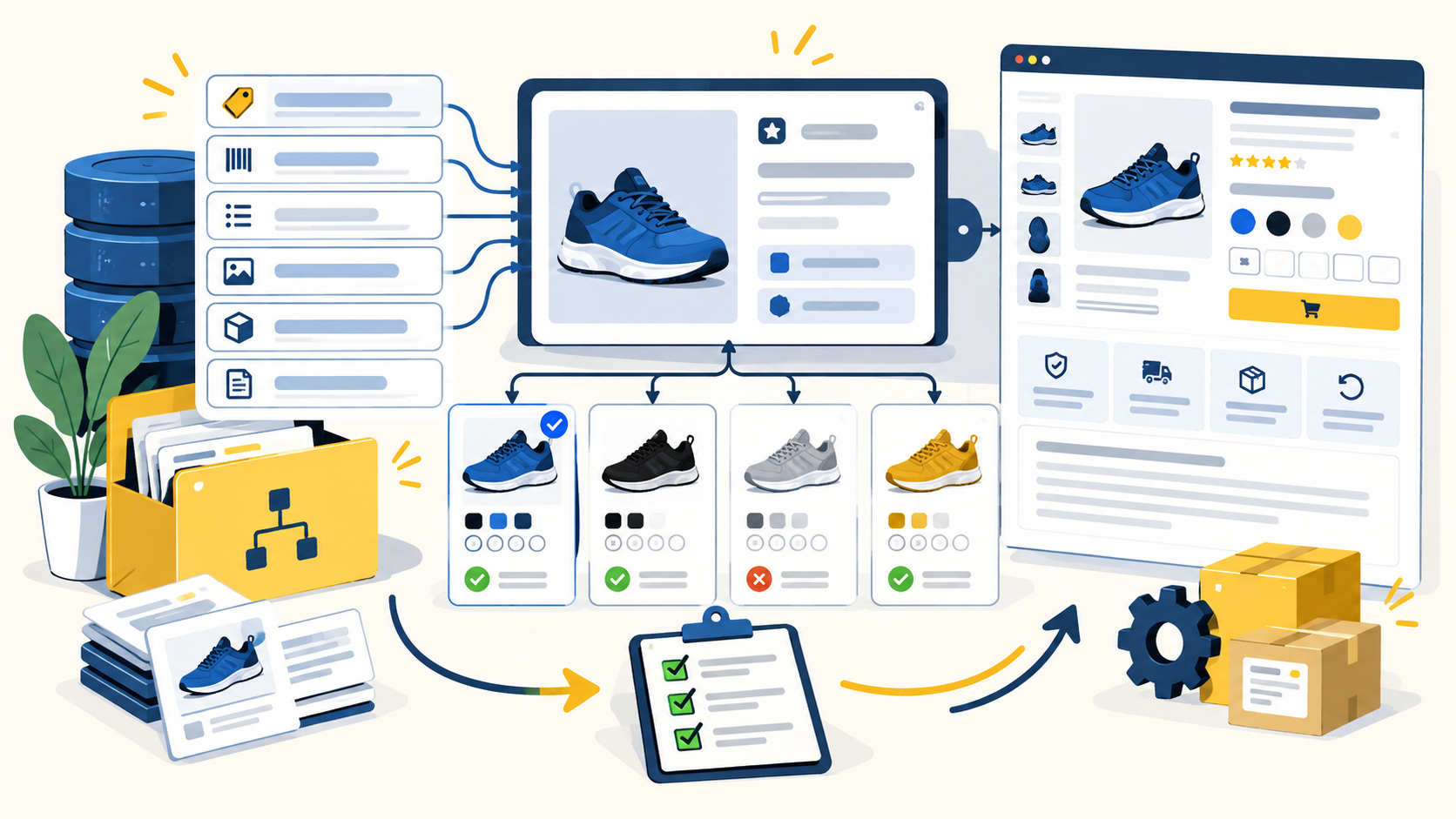
Prepare destination-ready upload files with controlled identifiers, mappings, variants, validation, test batches, backups, and rollback planning.
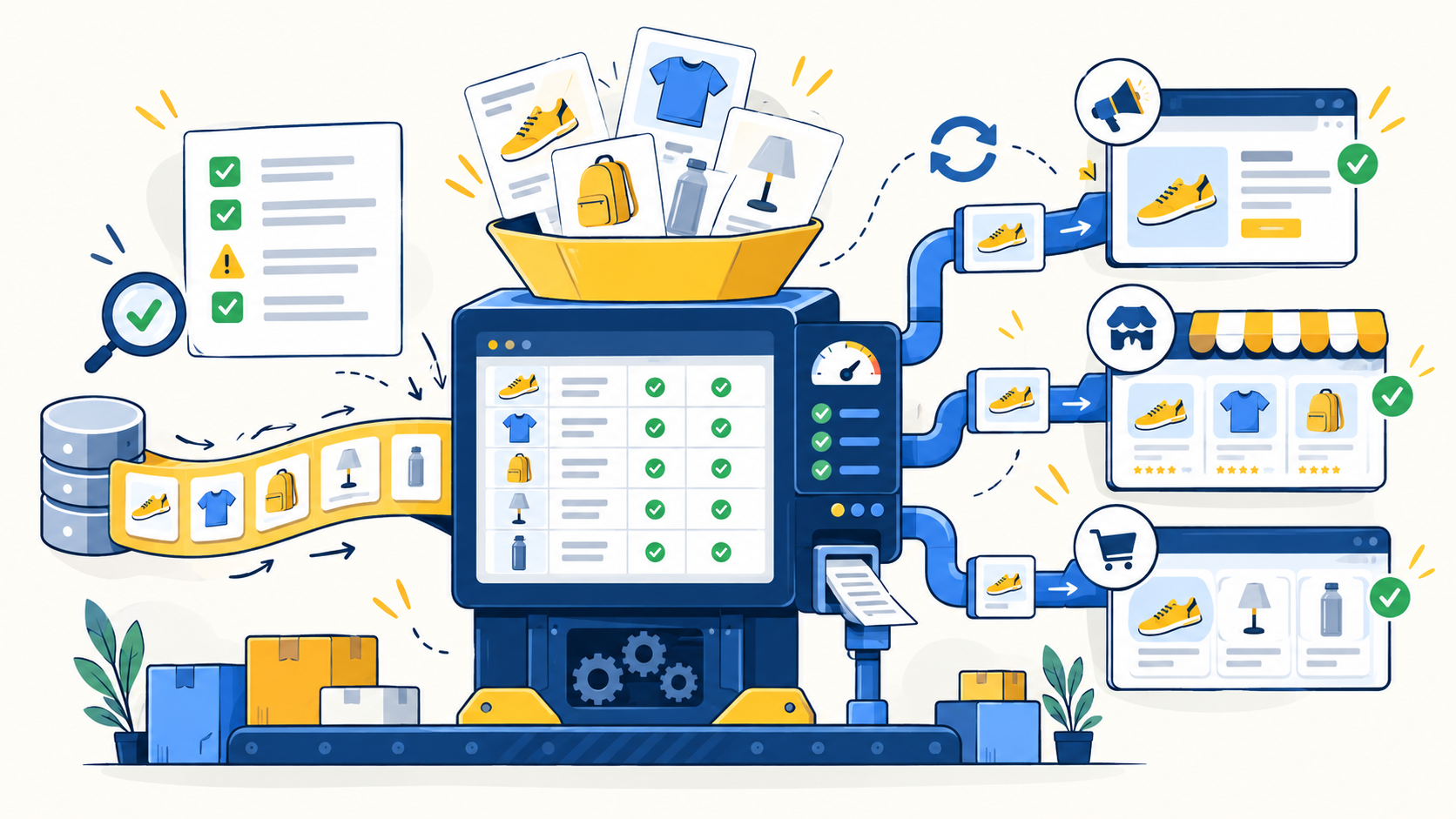
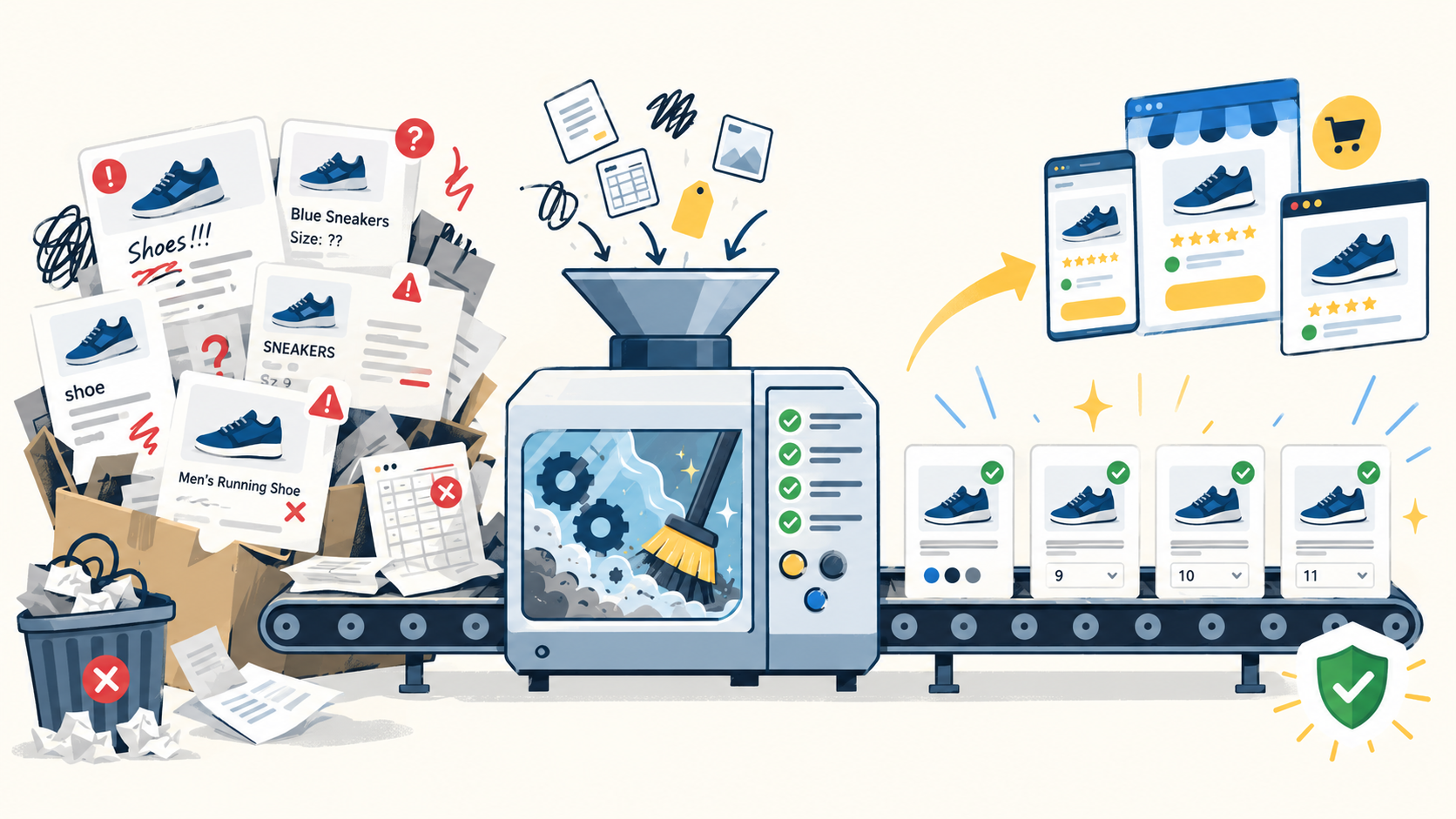
Diagnose listing failures by separating product data, offer, inventory, variation, media, policy, and feed-to-site mismatch issues.
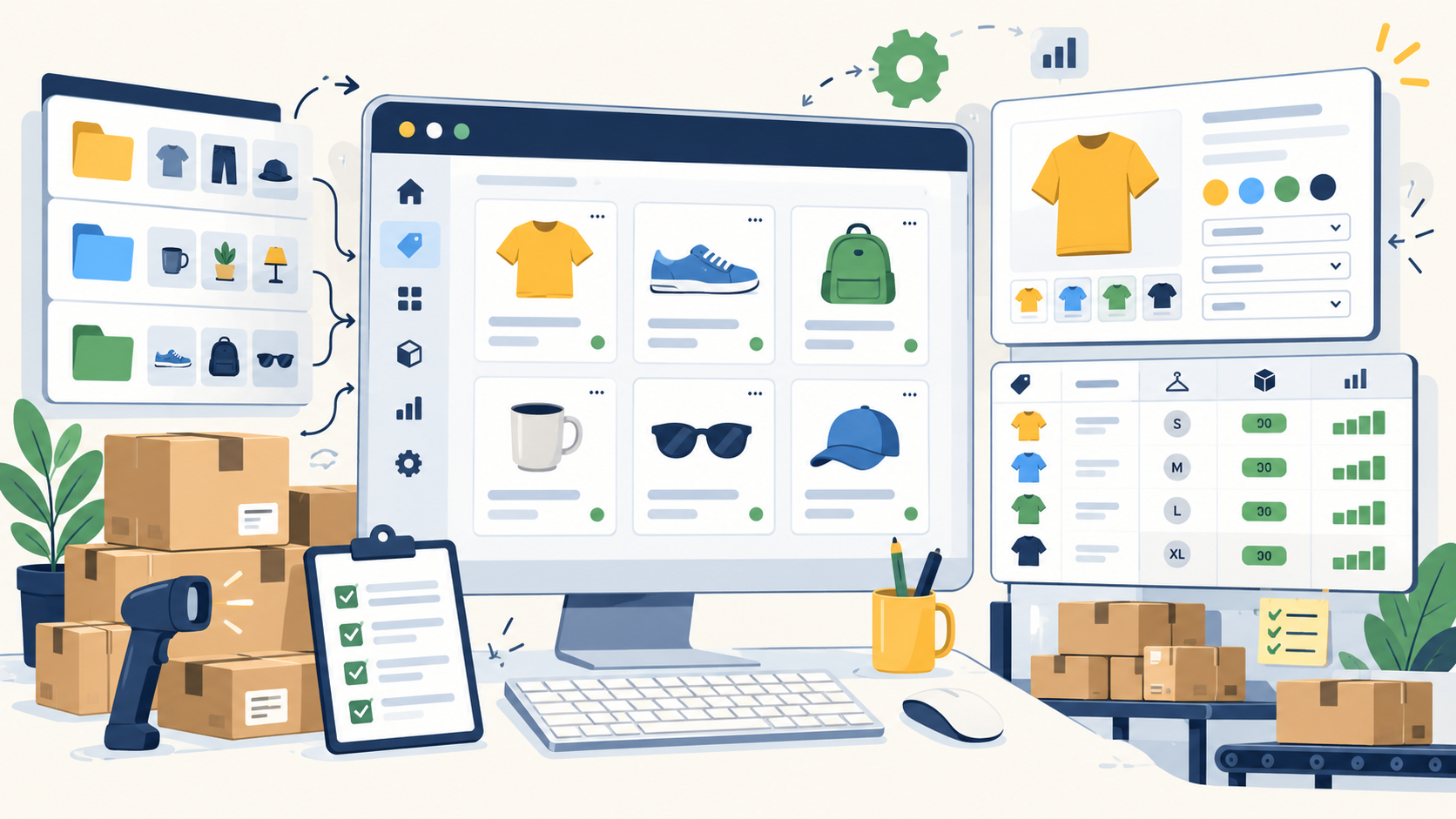
Manage ASIN matching, product detail pages, seller offers, variation families, bulk updates, contribution conflicts, and recurring catalog QA.
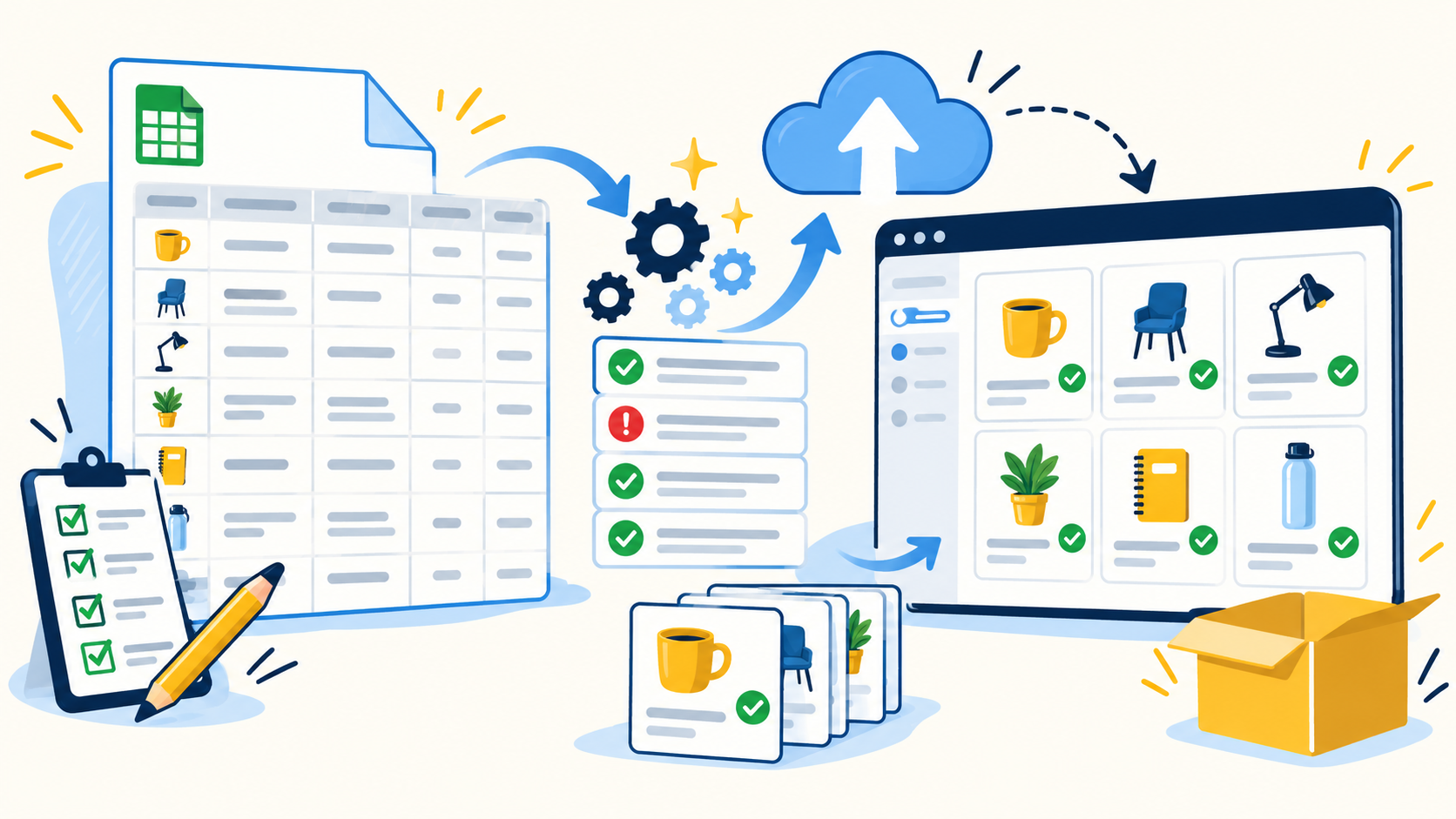
Clean identifiers, variants, attributes, formats, and duplicate product records before they create listing errors downstream.
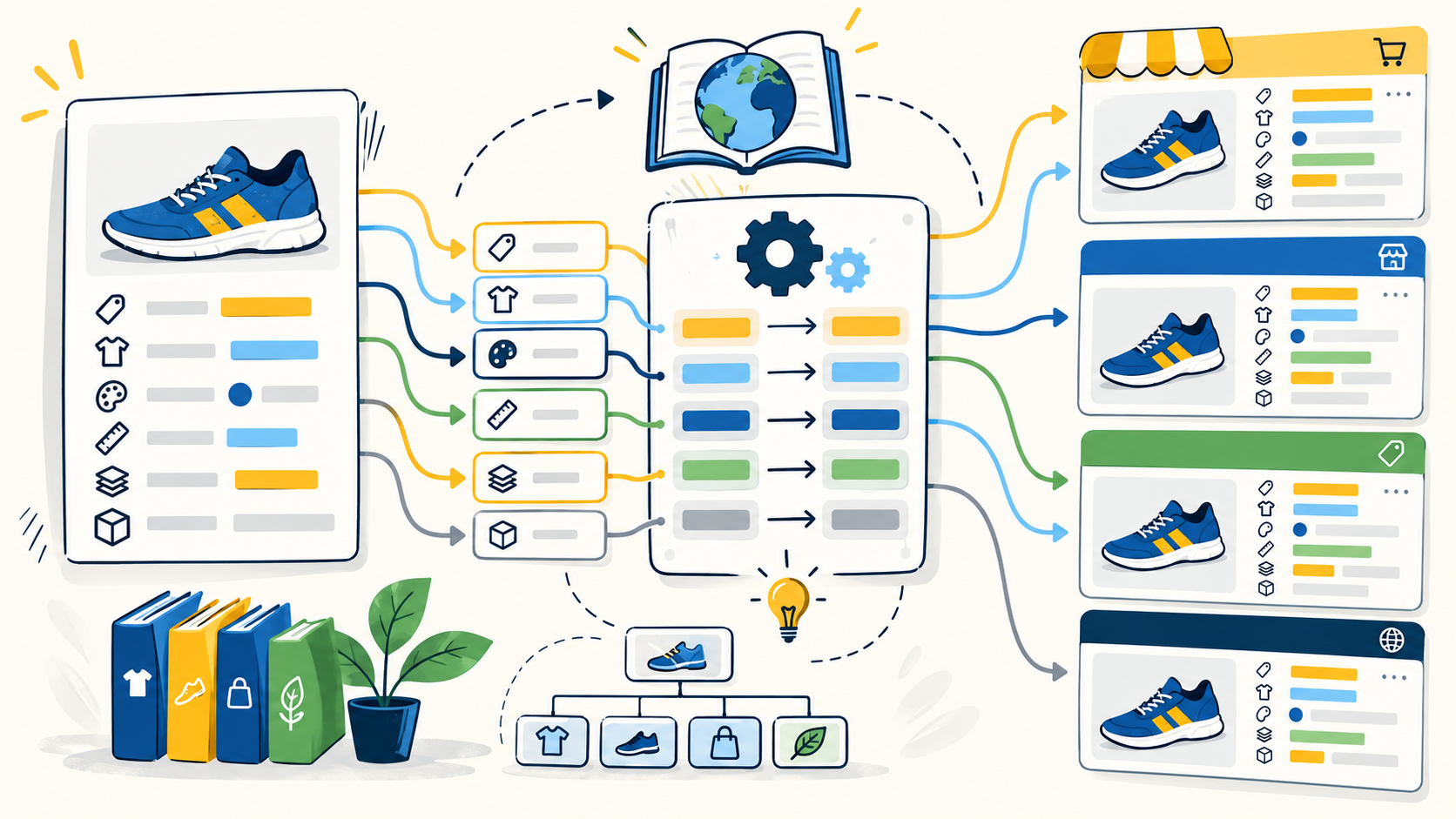
Build a canonical product record, assign field ownership, control changes, and distribute channel-ready data without spreadsheet sprawl.
Map source fields to channel schemas with controlled values, unit rules, category logic, variation handling, exceptions, and QA.
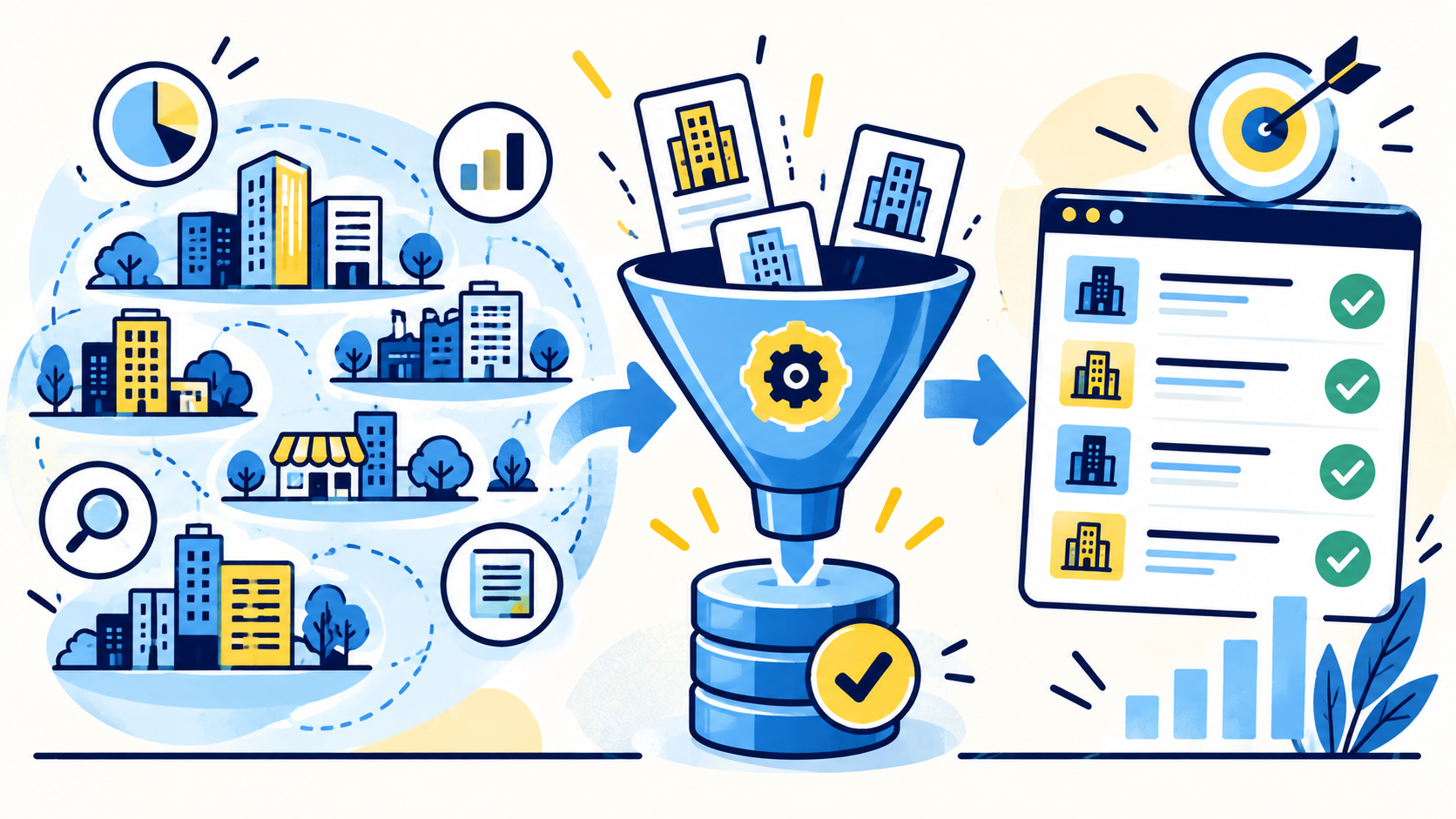
Define target segments, identify qualified account pools, validate useful signals, and test a sample before scaling lead research.
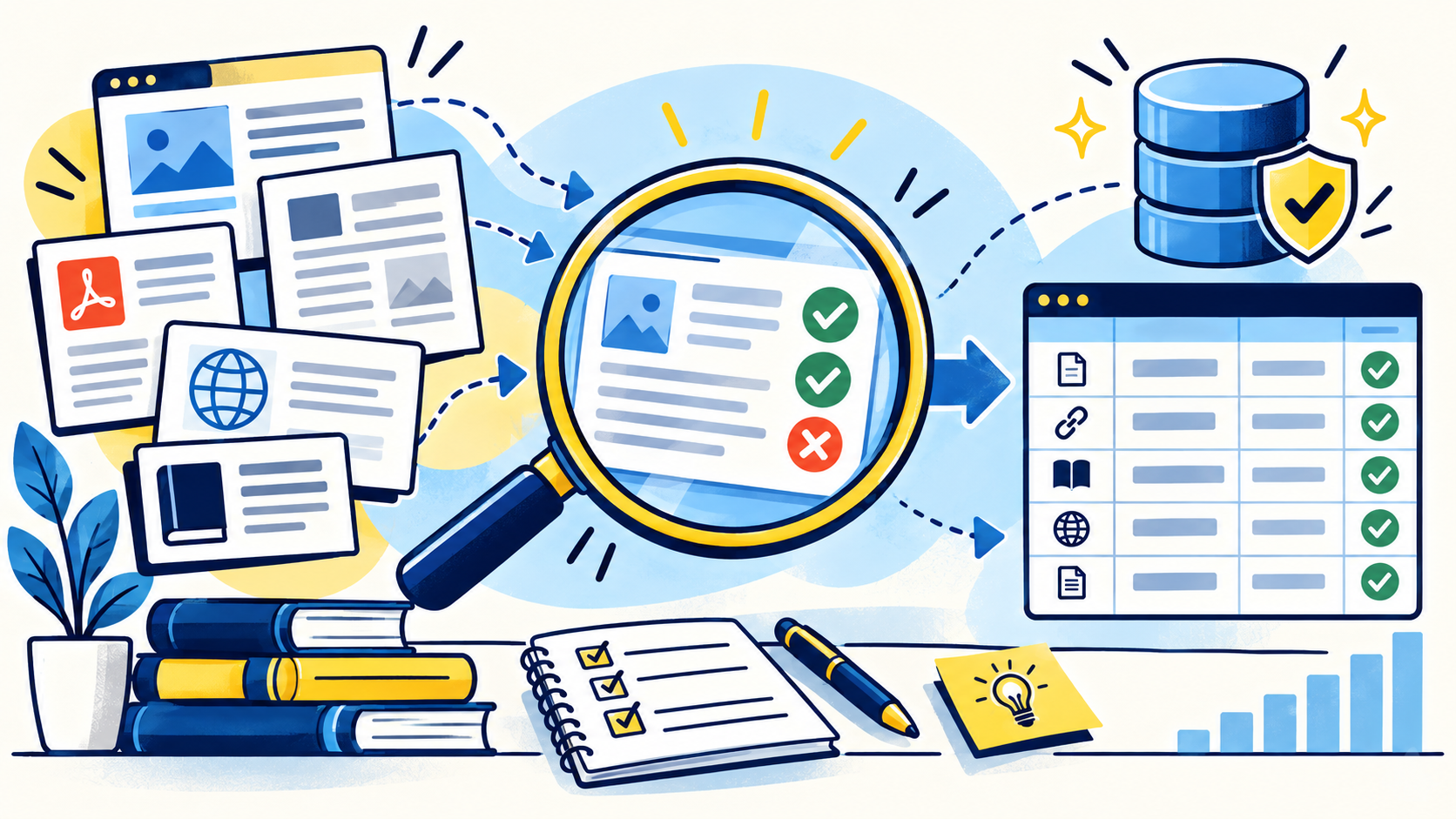
Check source authority, recency, directness, original provenance, conflicts, and confidence before a data point enters the dataset.
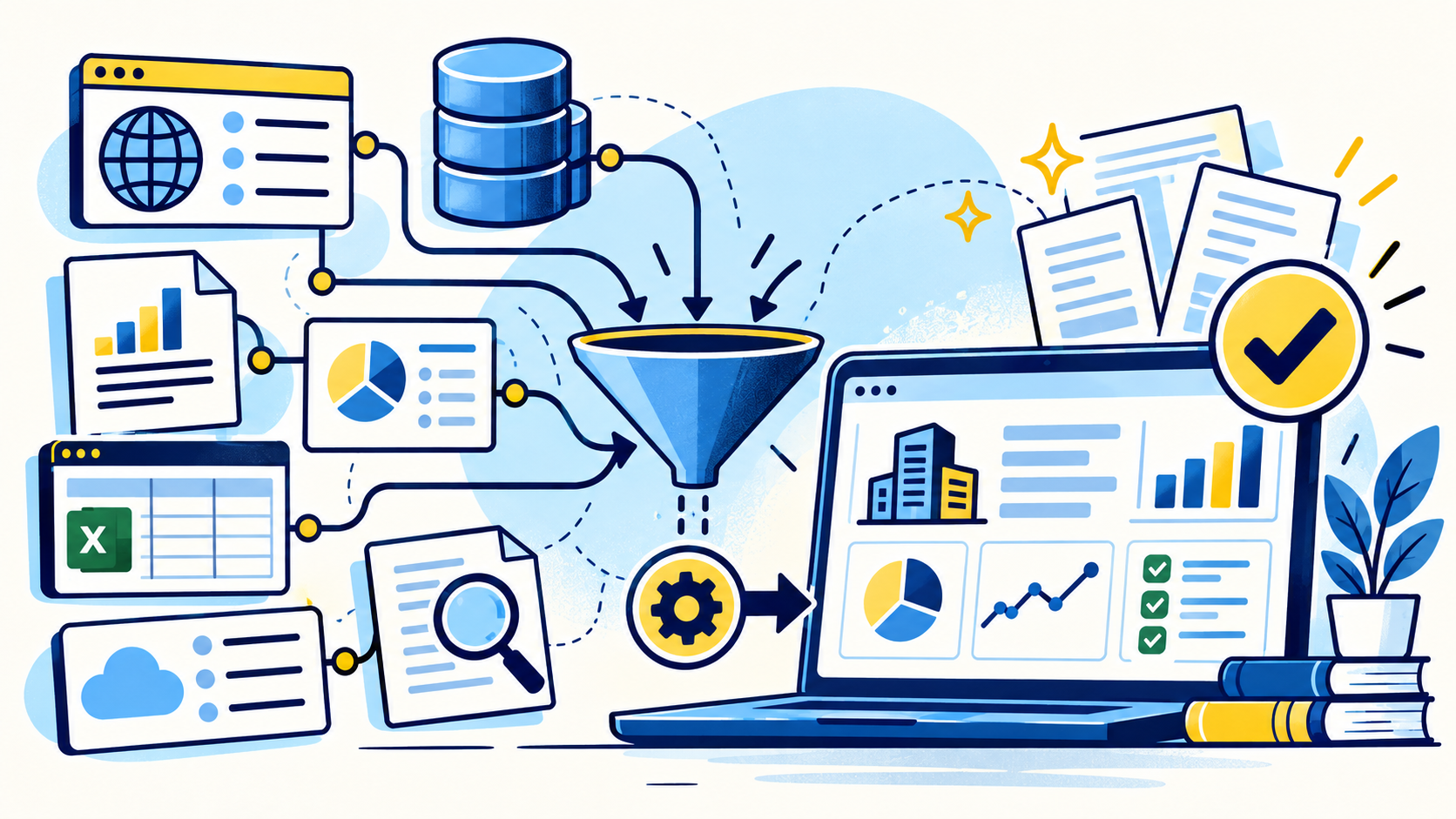
Combine multiple sources with field ownership, entity matching, conflict rules, provenance, confidence scoring, and targeted QA.

Qualify accounts, identify the right people, collect useful context, and stop research before it becomes busywork.
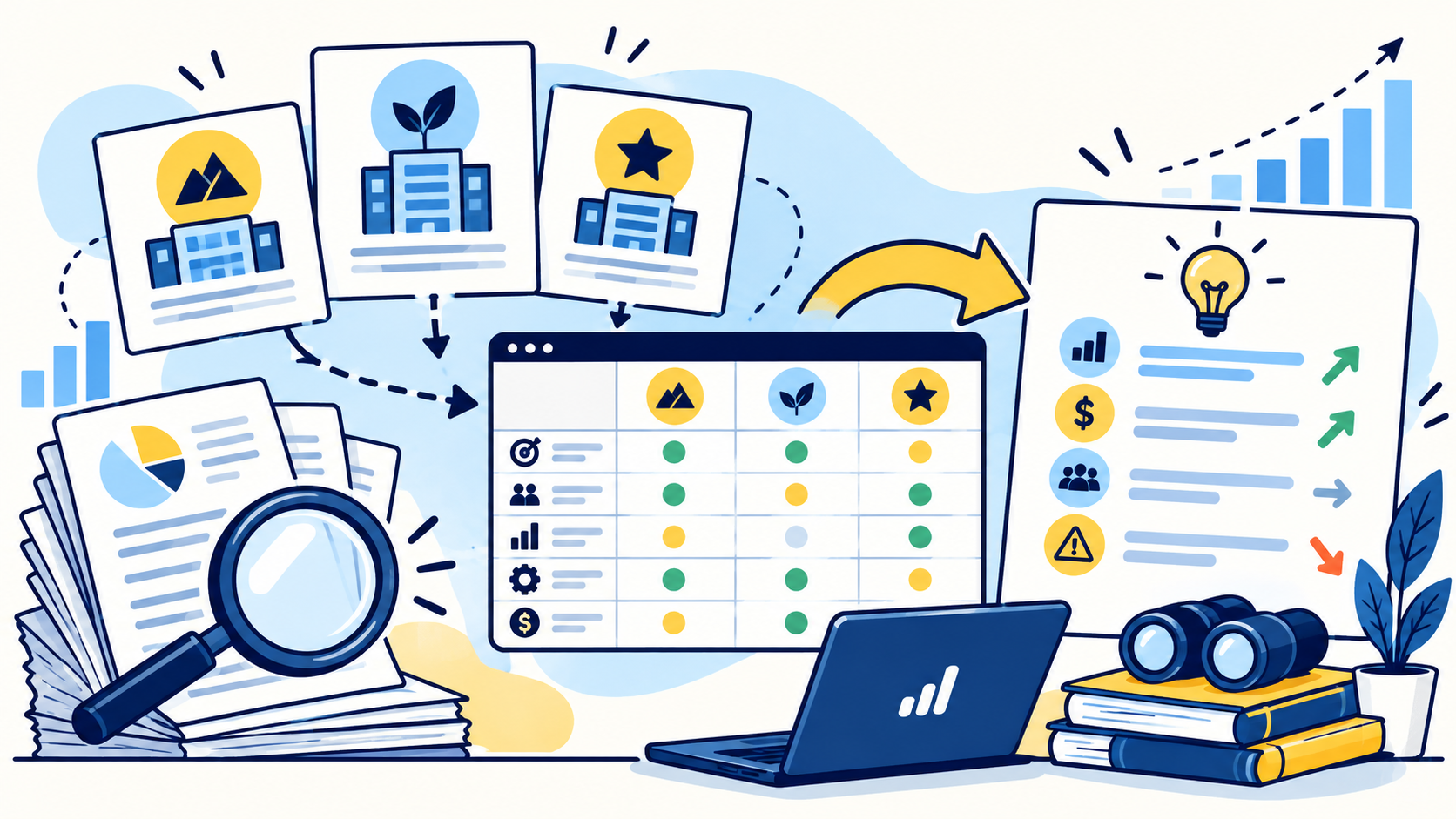
Build a structured competitor view using primary sources, consistent fields, evidence labels, refresh dates, and decision-focused analysis.

Choose competitor research tools by question and understand where modeled traffic, SEO, technographic, pricing, and company data can mislead.

Find and verify business information using the right source for each field, a clear source hierarchy, and a repeatable QA process.
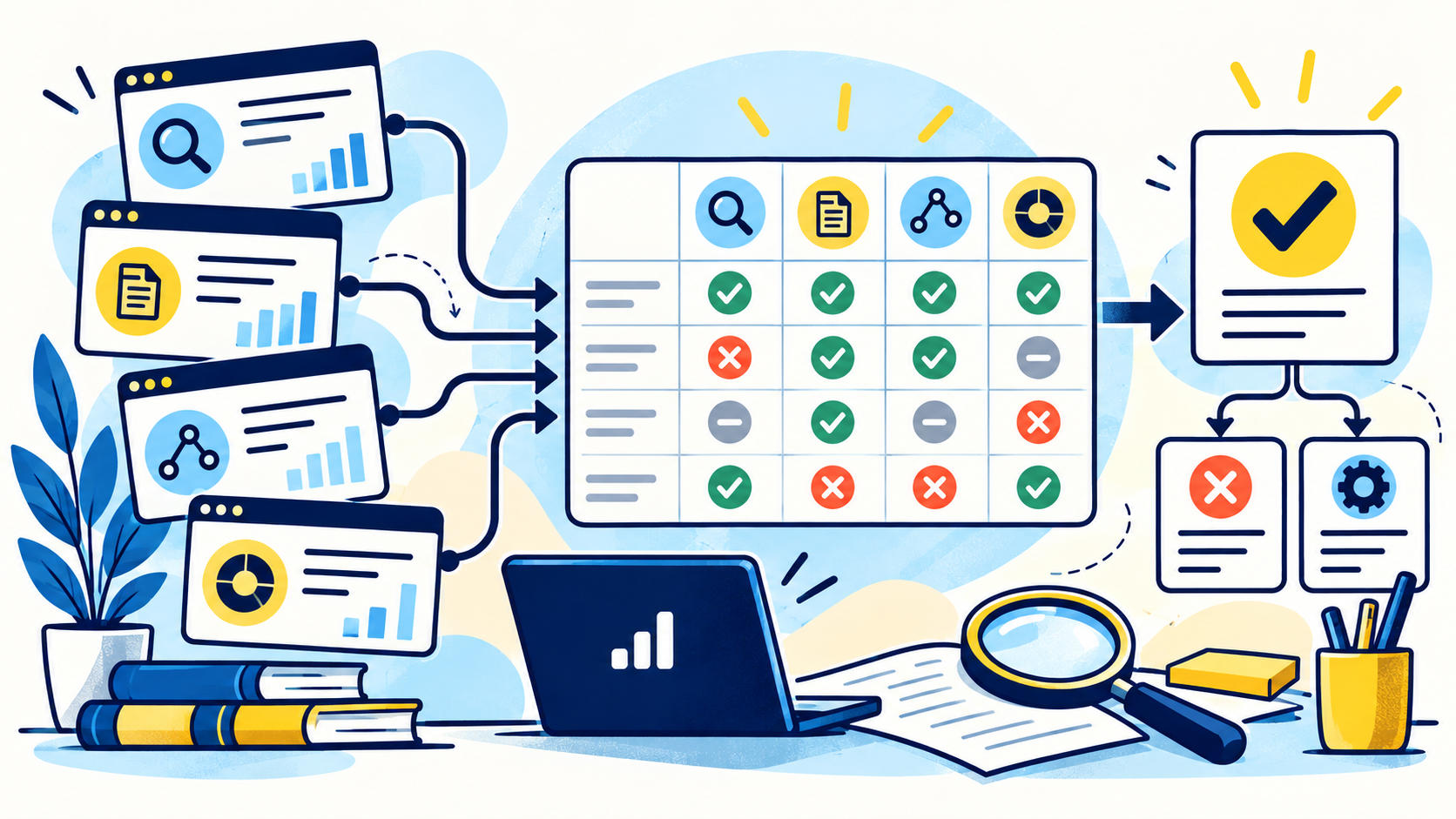
Compare company websites, SEC filings, registries, B2B databases, professional sources, search, news, and specialized research tools.

Scope outsourced company research with clear criteria, fields, sources, verification rules, QA standards, and delivery requirements.
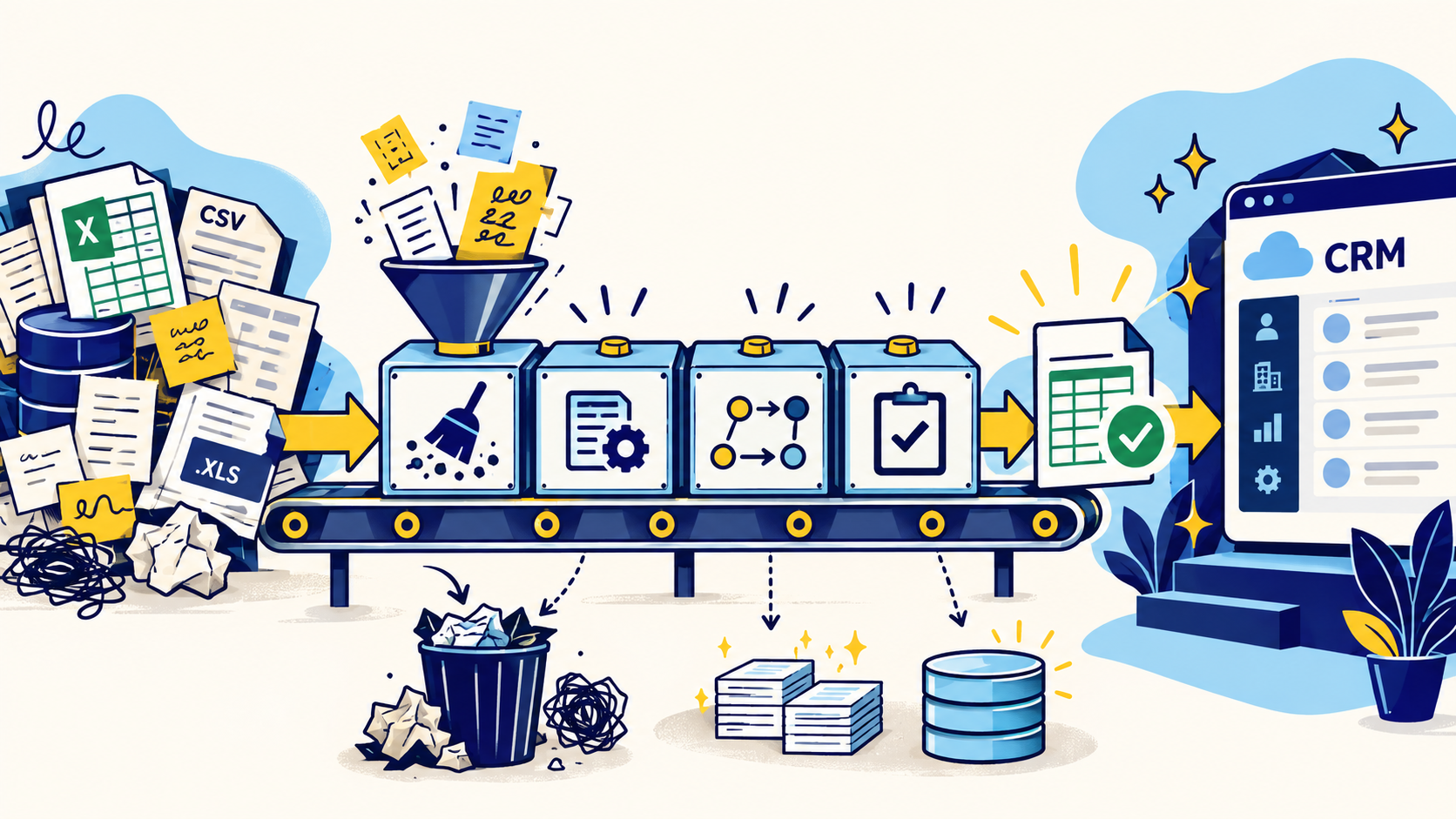
Audit, clean, map, preserve IDs, test relationships, reconcile counts, and prepare a controlled CRM cutover.
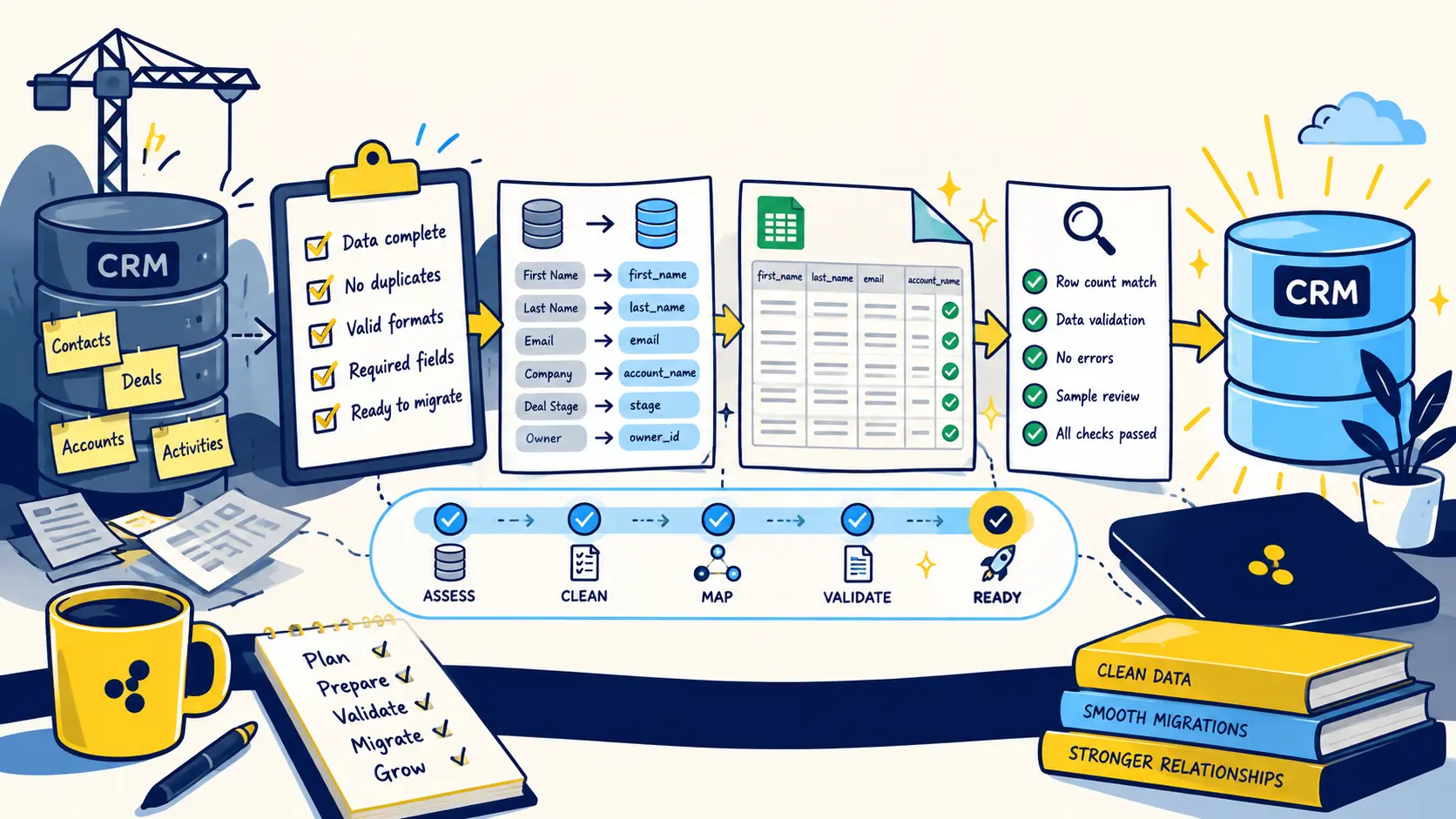
Use practical readiness gates for source understanding, critical-field quality, mapping, relationships, pilot testing, and cutover control.

Reduce data entry errors with field rules, validation, targeted verification, exception handling, traceability, and measurable QA.
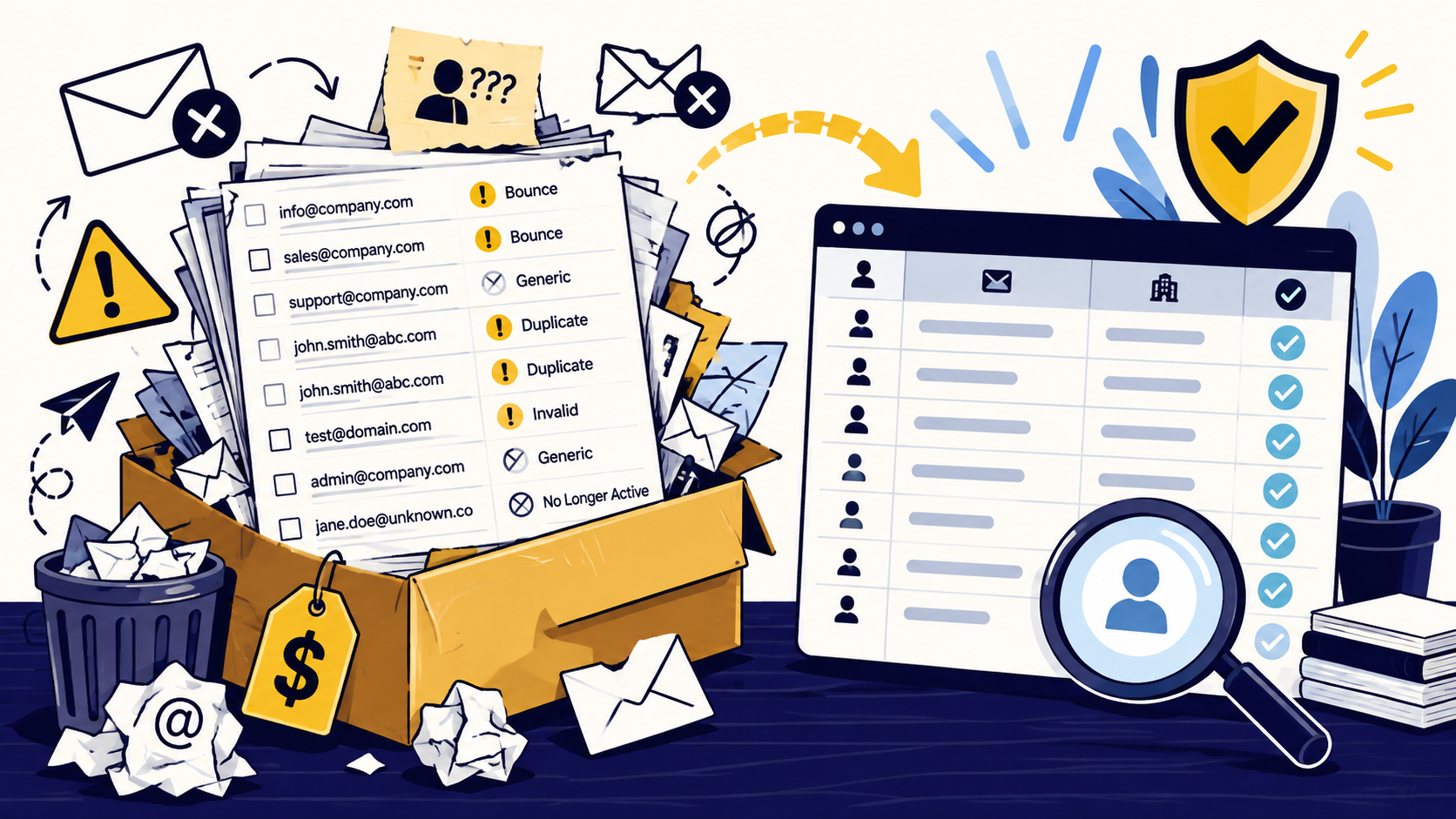
Avoid the biggest mistakes when purchasing B2B contact data, from vague sourcing and stale records to platform restrictions, compliance gaps, and risky sending practices.
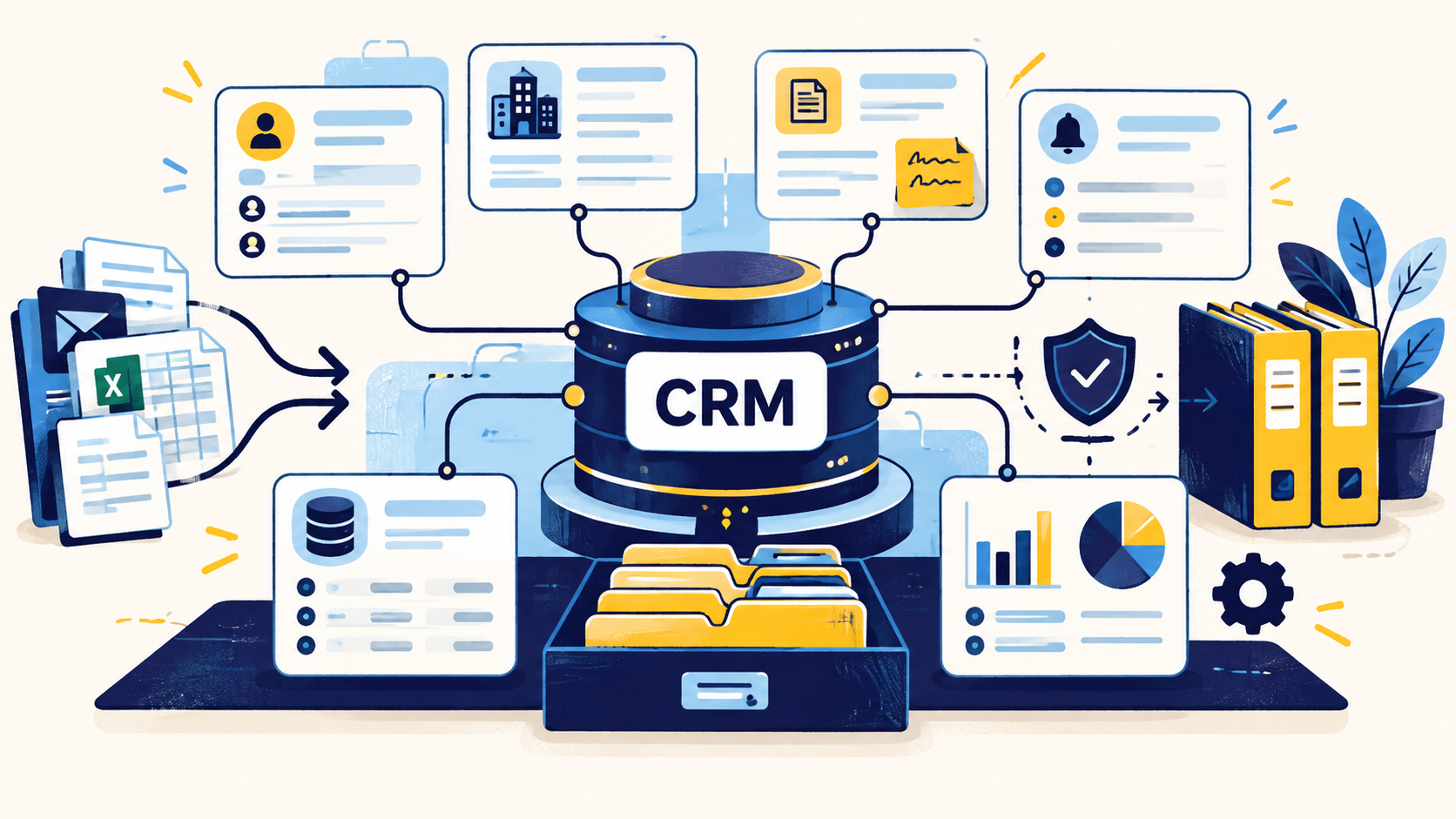
Build a sustainable CRM data management process with field standards, ownership, deduplication, enrichment, maintenance, permissions, and recurring QA.
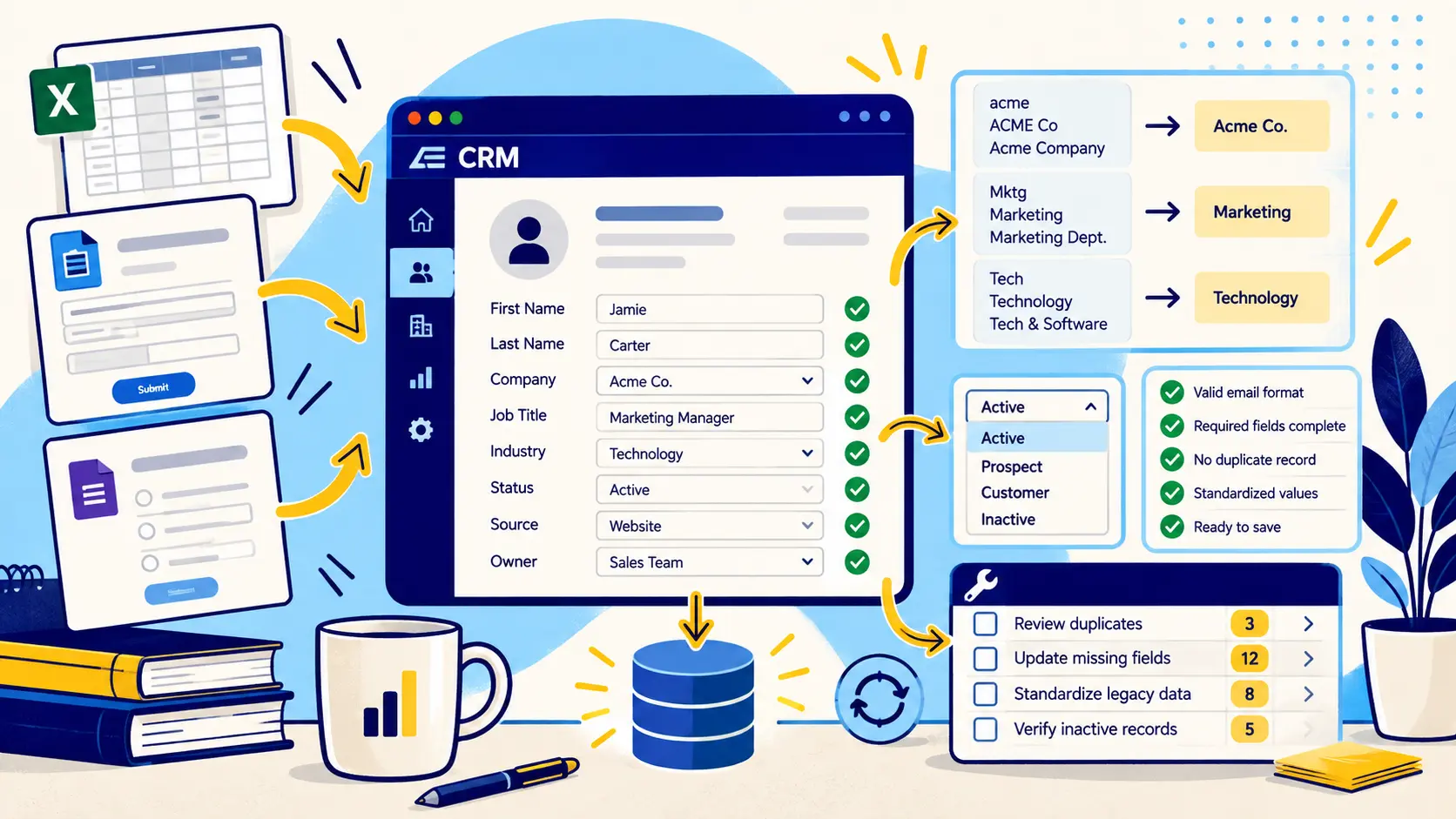
Set CRM data entry standards for required fields, formatting, duplicate checks, source tracking, bulk imports, QA, and secure handling.
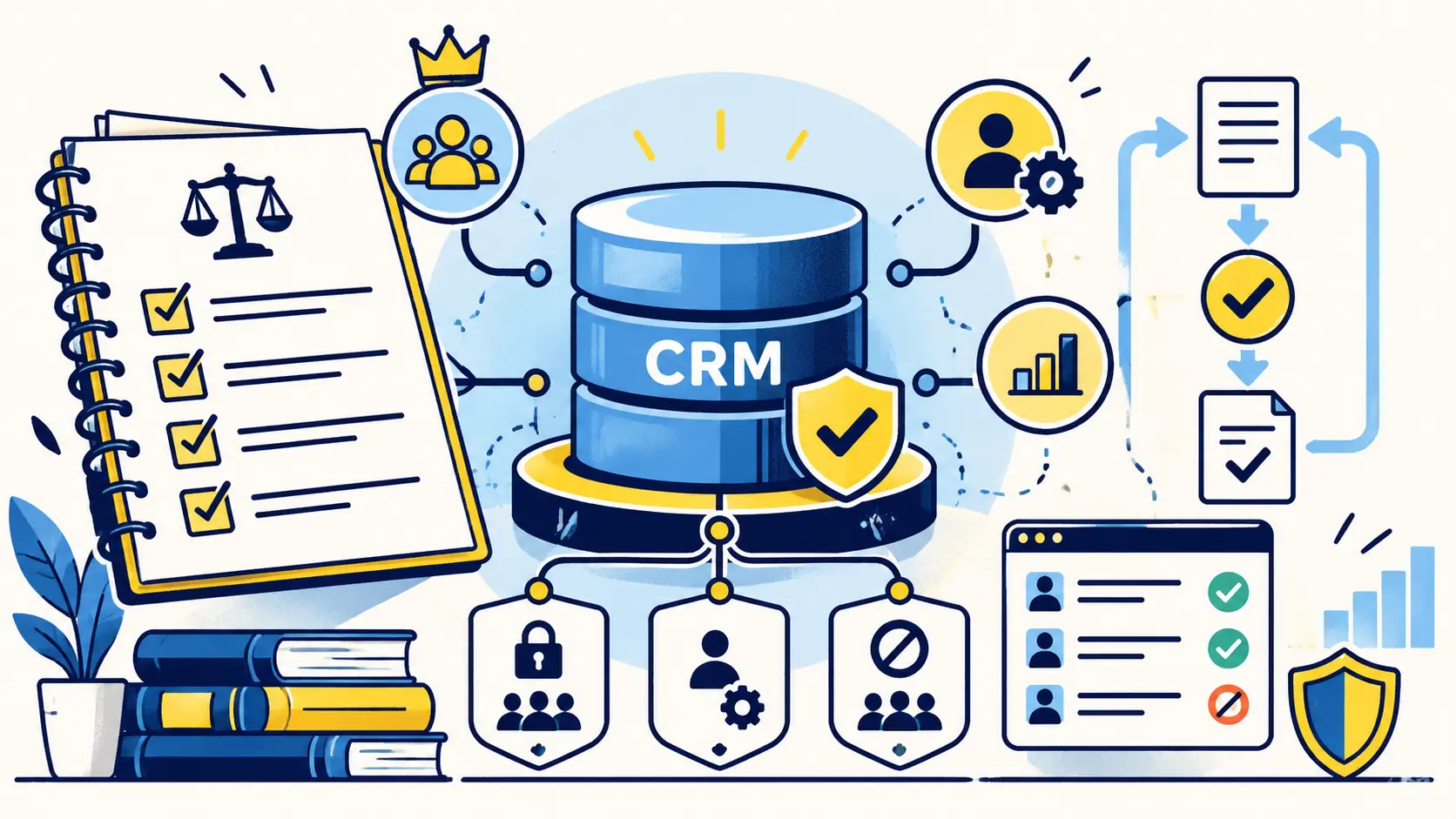
Create a practical CRM governance framework for ownership, access, source precedence, lifecycle rules, data quality, retention, and change control.
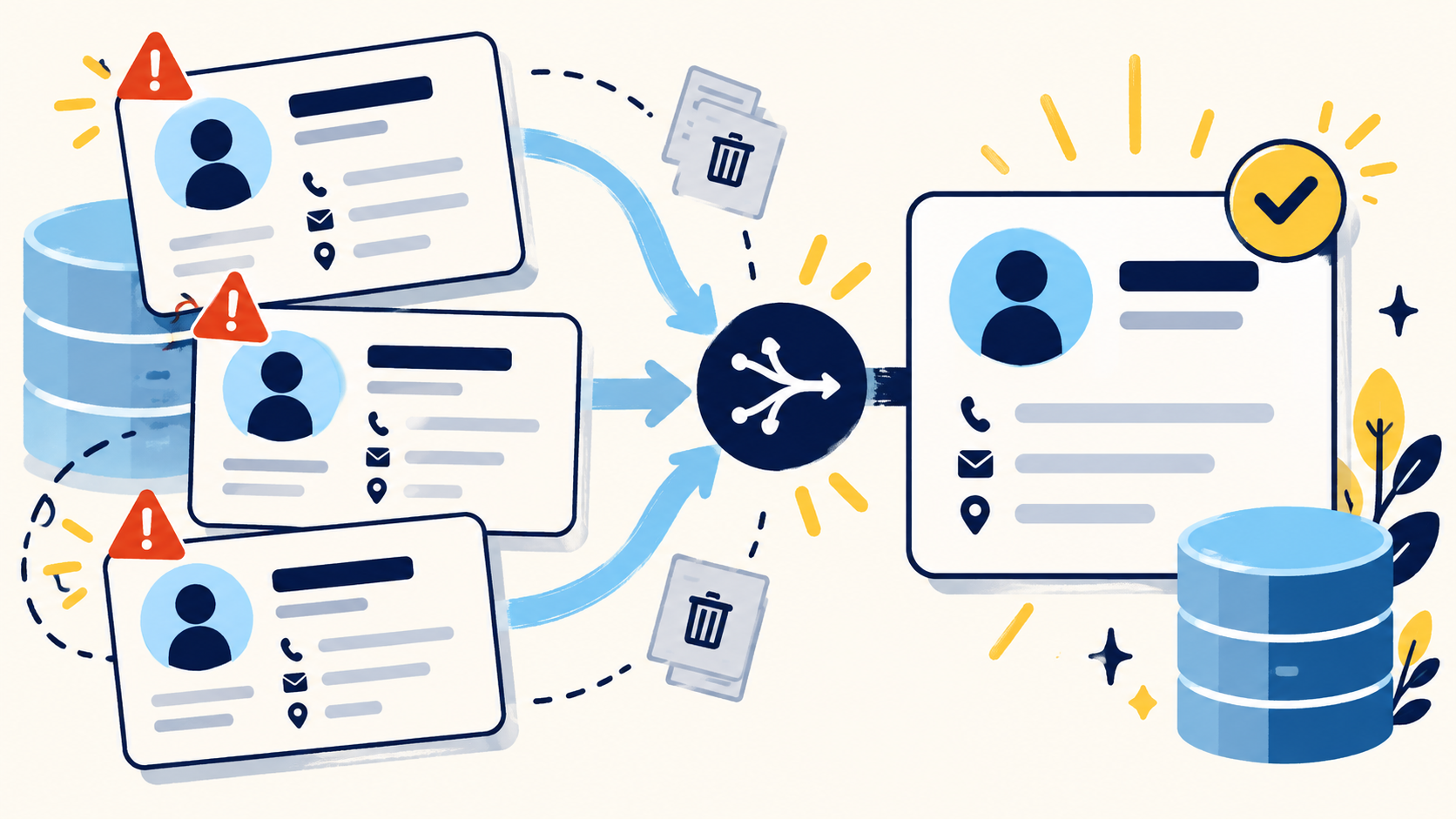
Match company duplicates using normalized names, domains, locations, entity rules, survivorship logic, and manual review for edge cases.
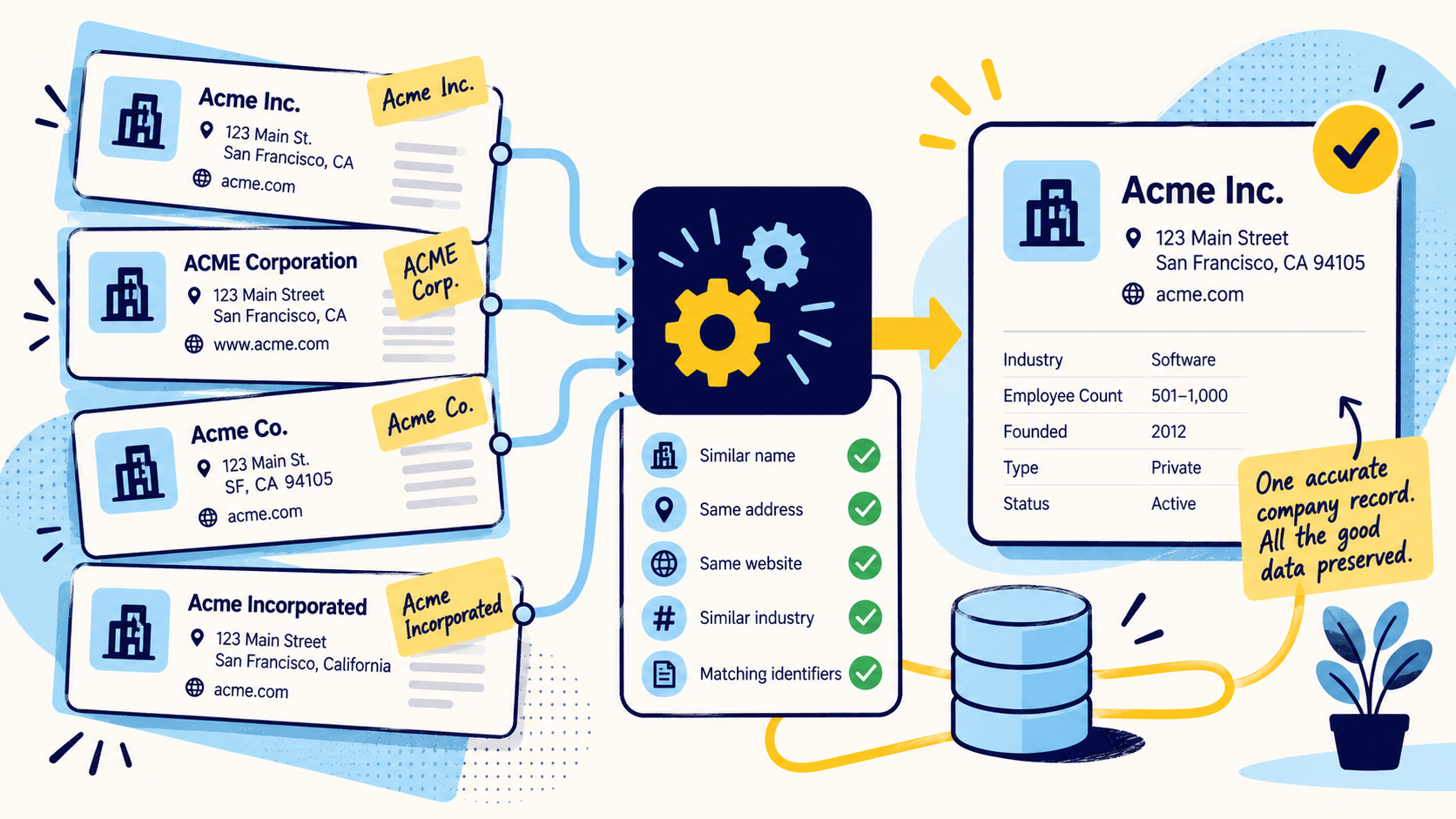
Find duplicate accounts and contacts, define merge rules, preserve CRM history, and prevent duplicates from returning through better intake controls.
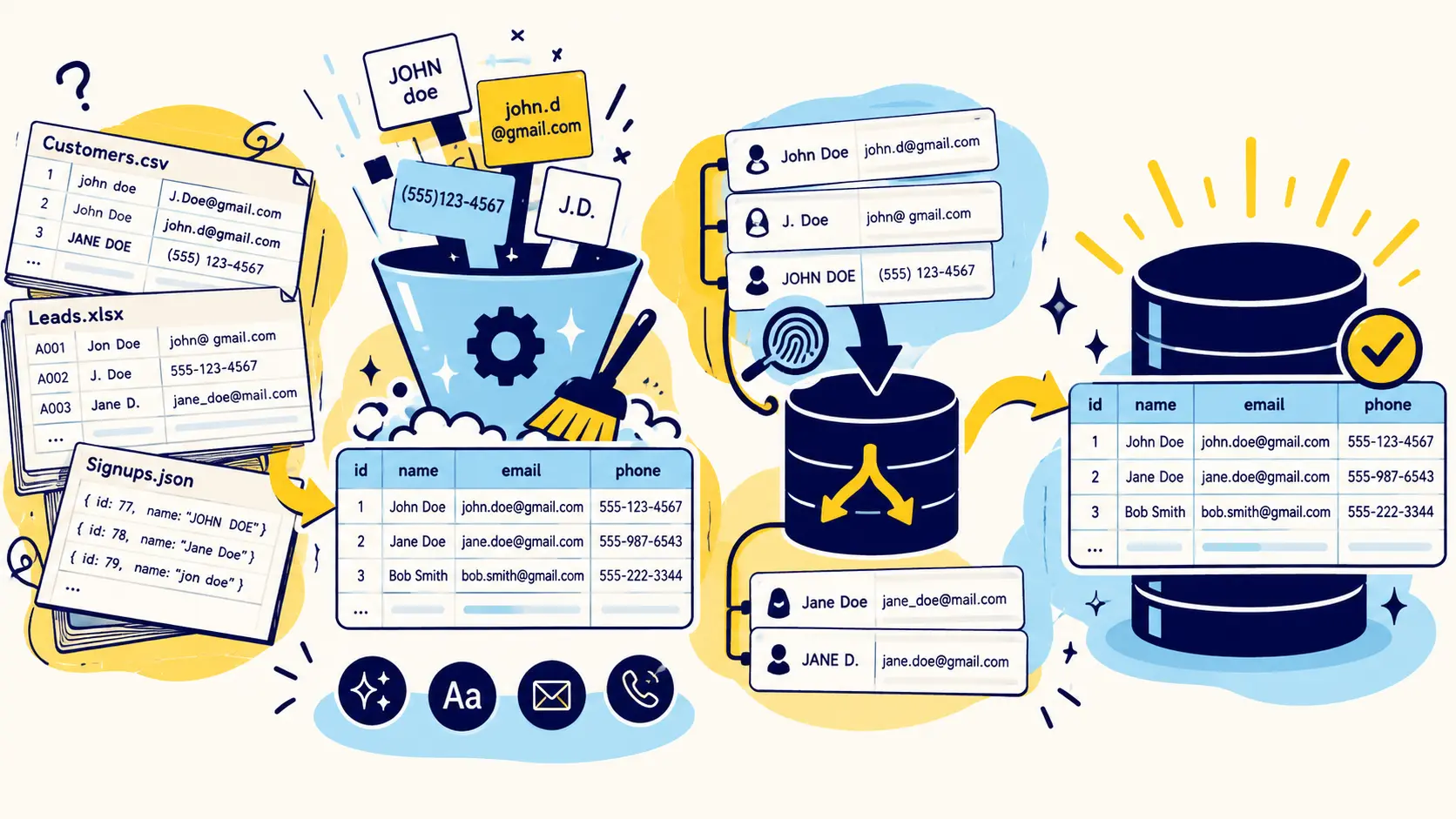
Understand the difference between cleansing and deduplication, the right order of operations, and how to combine matching, merging, validation, and QA.

See how cleaner data reduces rework, improves targeting and reporting, protects automation, and increases the value of the systems teams already use.
Validate business data with required-field, format, range, cross-field, source, and business-rule checks before it is used downstream.
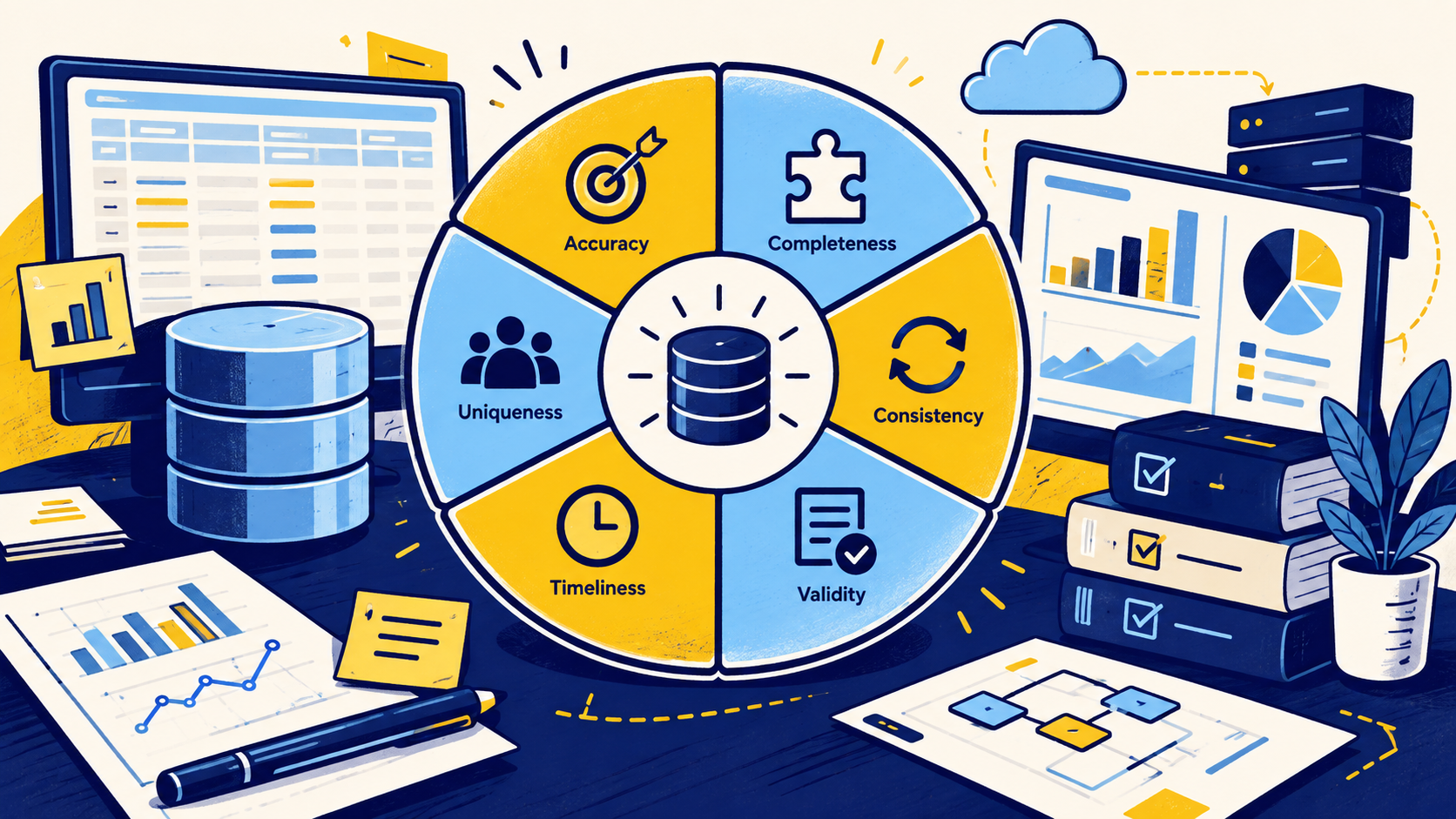
Use accuracy, completeness, consistency, timeliness, validity, and uniqueness to evaluate whether a dataset is truly fit for use.

Understand intent signals, first-party and third-party data, account matching, scoring, false positives, and how to prioritize accounts responsibly.
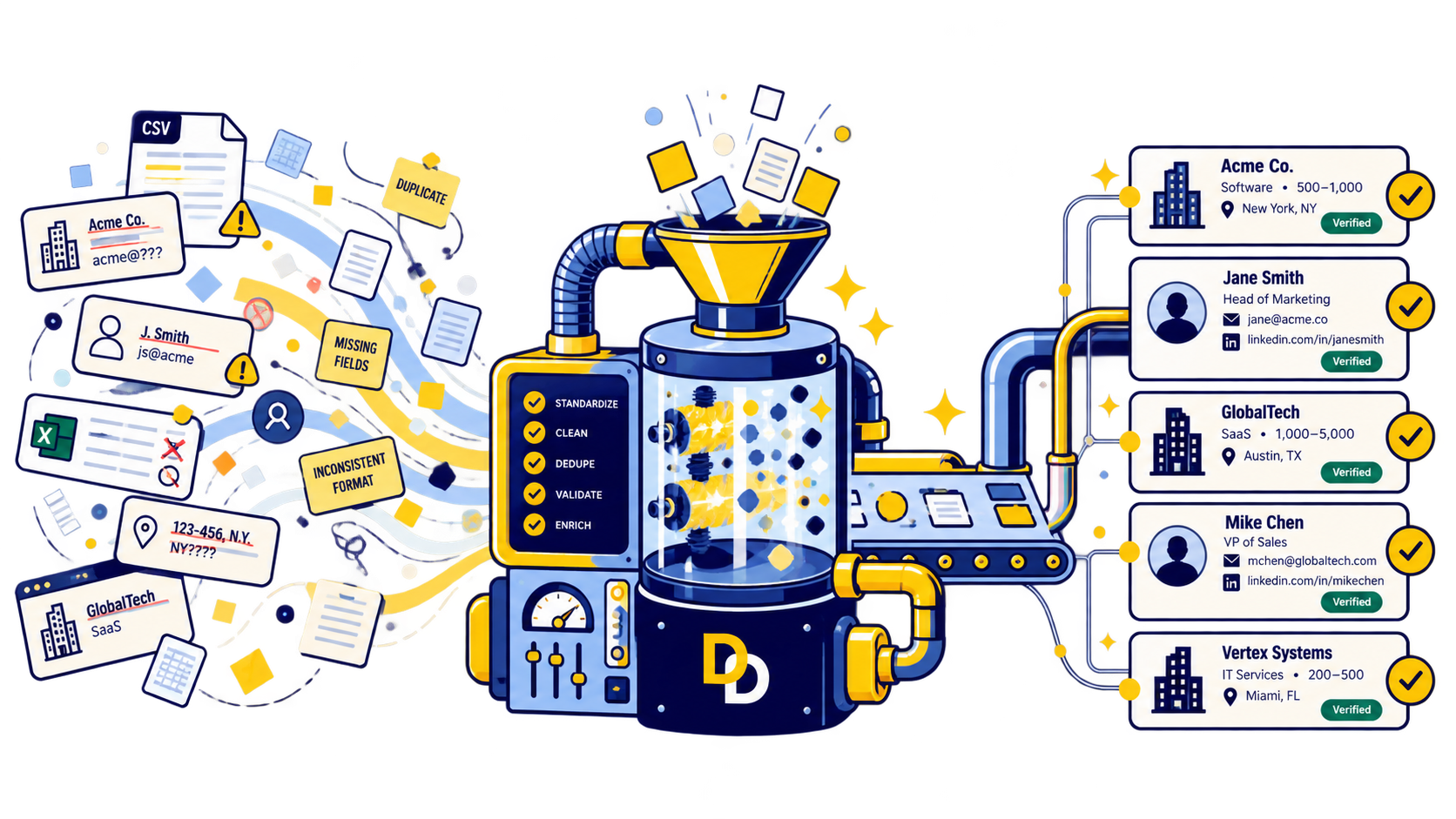
Clean business data with profiling, standardization, deduplication, missing-value rules, validation, automation, and final QA.
Fix company and contact records with entity matching, deduplication, role verification, email QA, suppression, and recurring cleanup rules.

Understand technology-stack data, how it is detected, where confidence can break down, and how B2B teams should verify it.
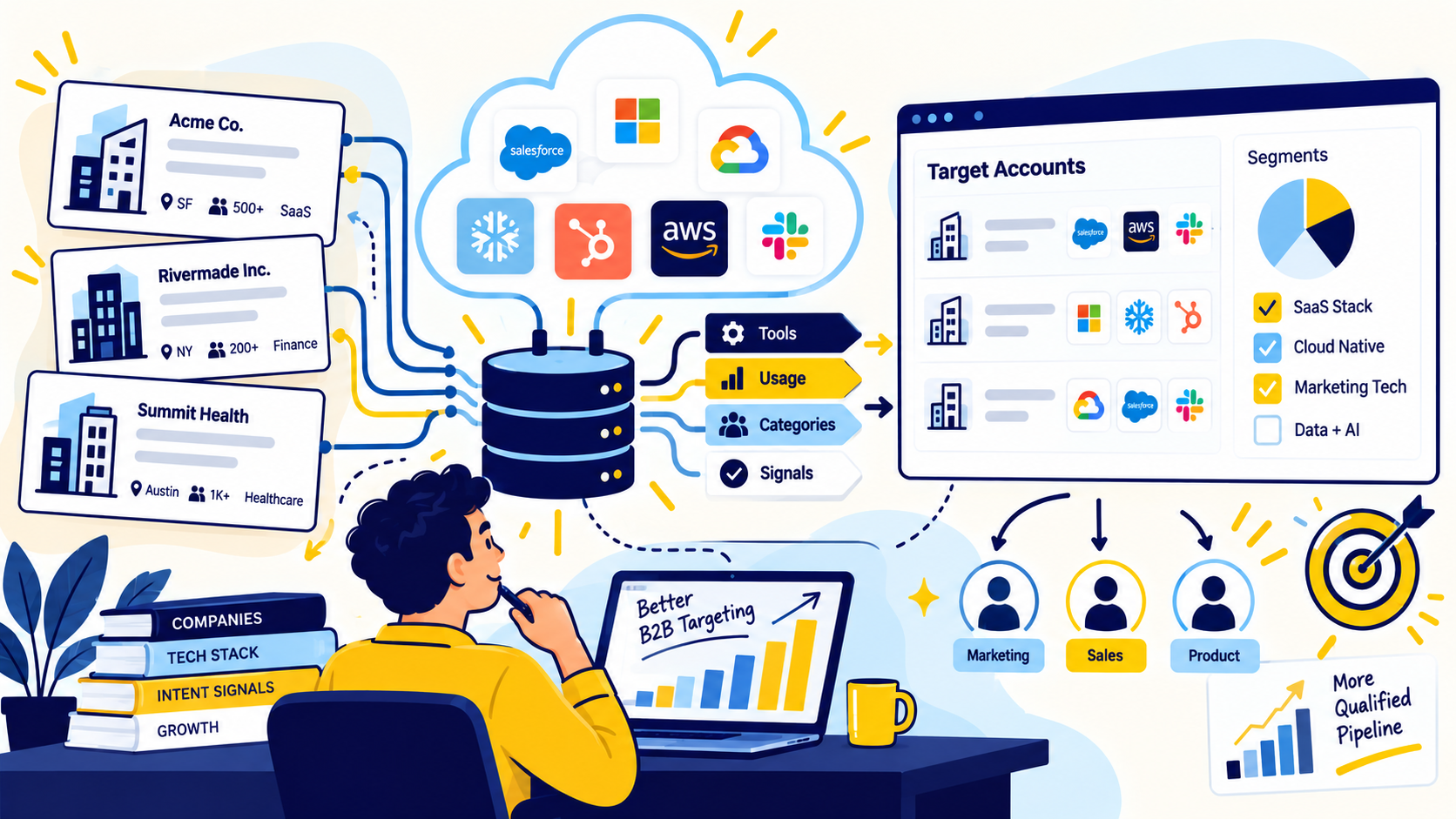
Use technology signals to refine qualified accounts, build sharper segments, prioritize research, and support more relevant outreach.

Turn company data, contact research, technology context, and verification into an account view sales can actually use.

What data enrichment adds, how the workflow works, and how to judge whether the result is actually useful.

Improve CRM records with better matching, overwrite rules, field-level QA, and intentional refresh cycles.

Learn which contact fields matter, how to verify roles and business emails, and how to preserve confidence and source context.

Compare enrichment tools by coverage, matching, workflow fit, CRM integration, overwrite controls, and QA requirements.

What managed enrichment services do, how they differ from software, and which QA controls matter when choosing a provider.

Use complexity, scale, capacity, quality risk, and repeatability to decide when outsourcing enrichment makes sense.
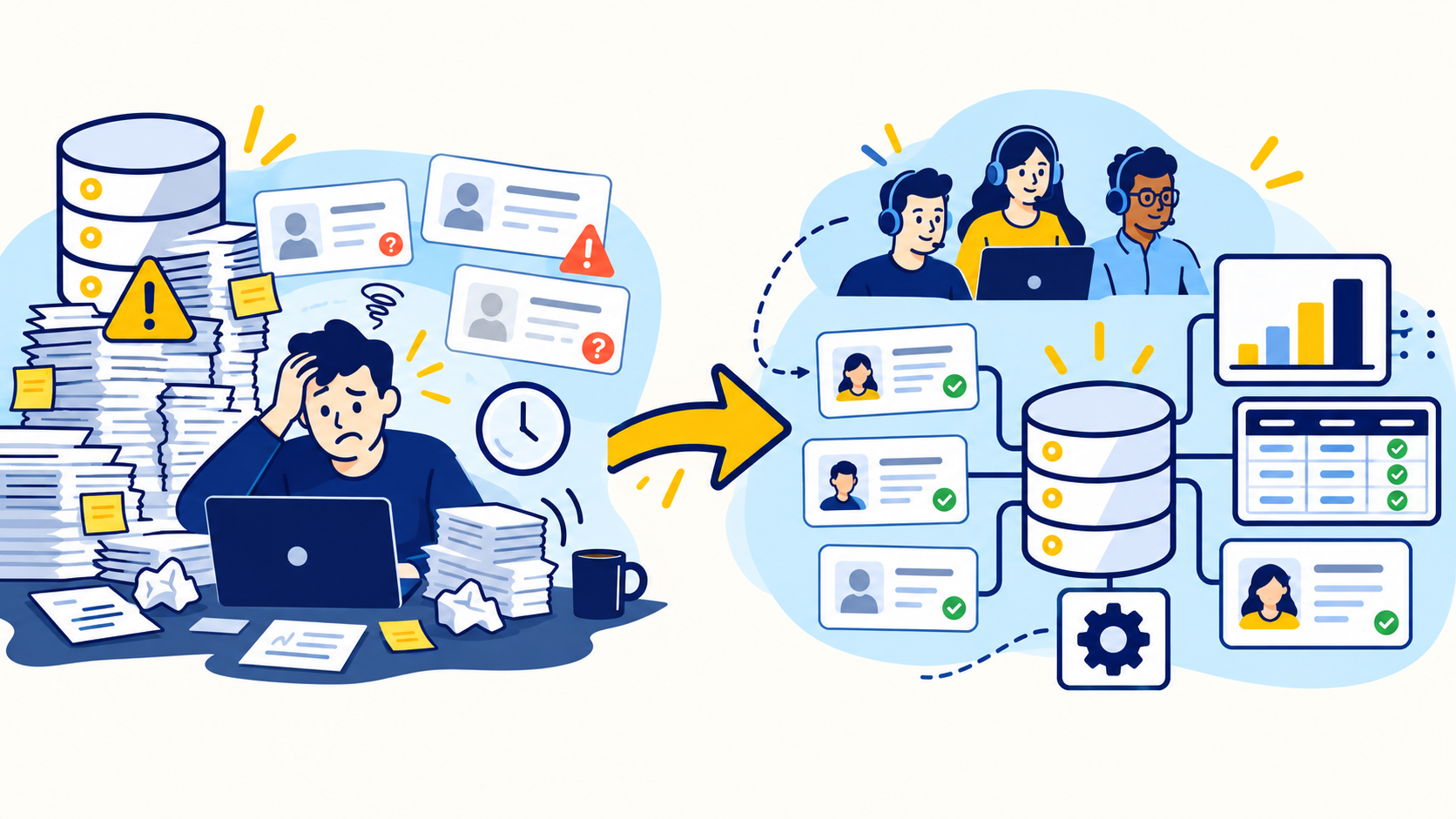
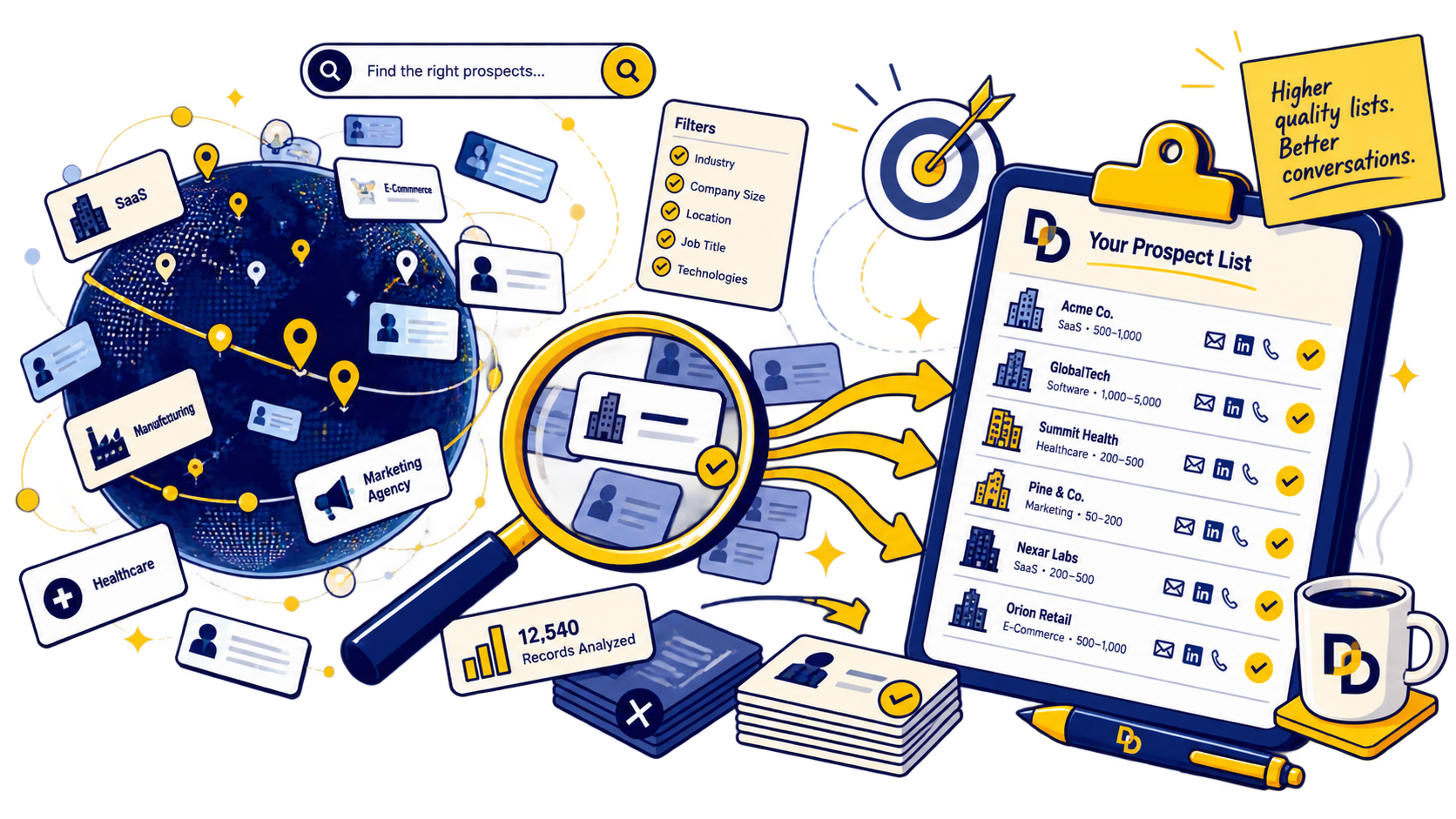
Build a useful B2B email list with clear targeting, relevant decision-makers, verified business emails, and field-level QA.
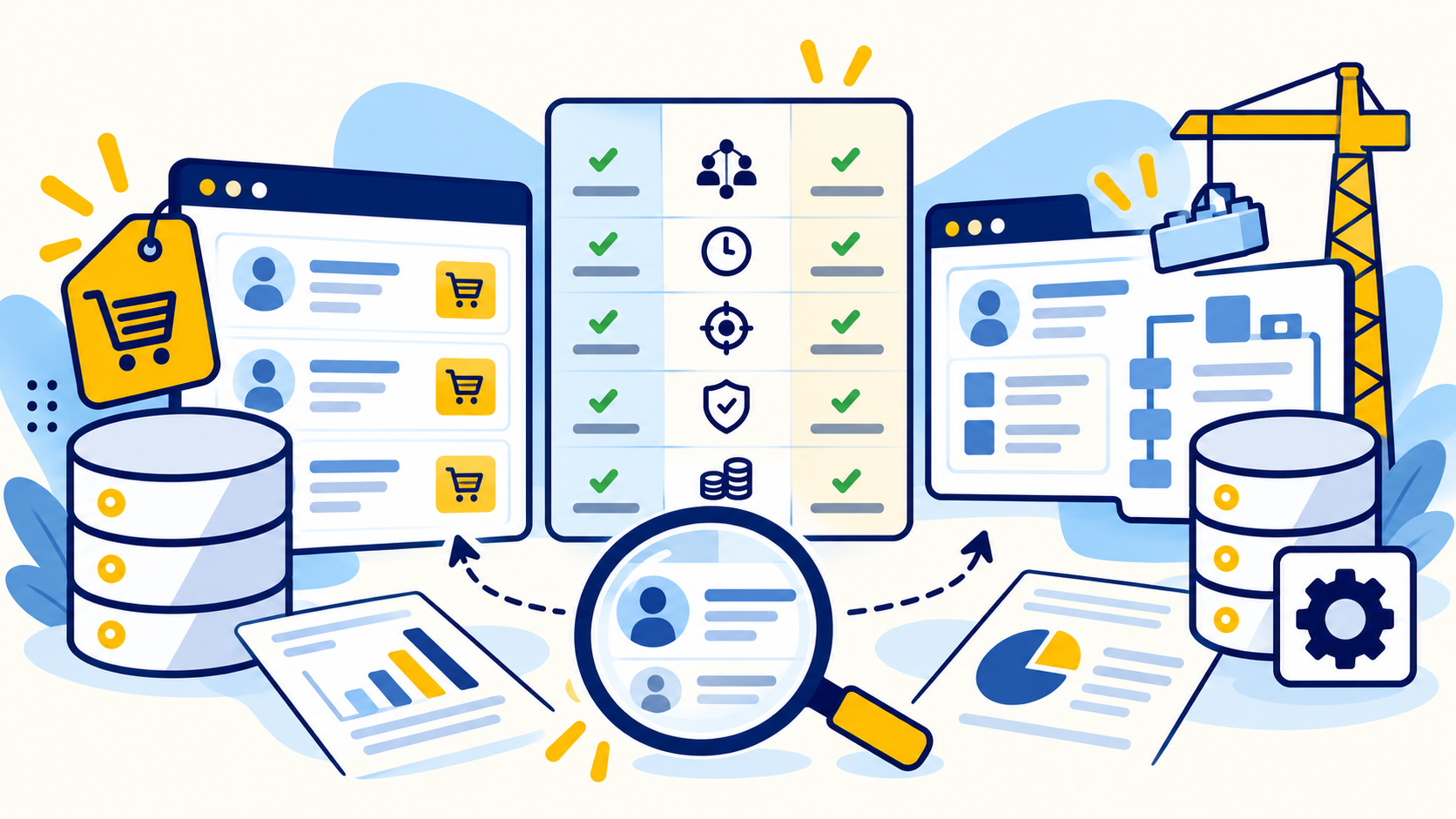
Evaluate B2B contact databases by coverage, freshness, matching, key fields, workflow fit, and the QA required after export.
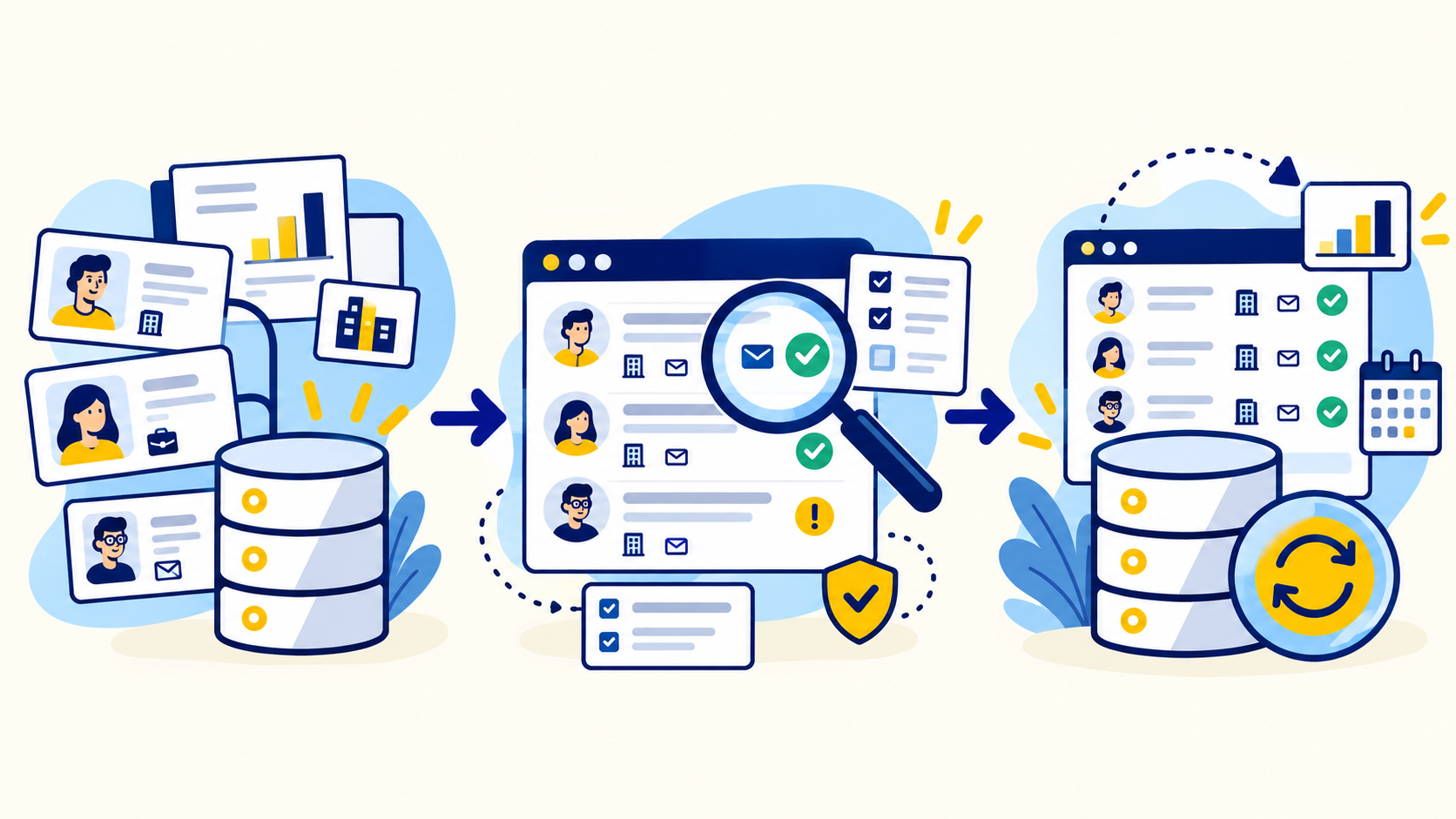
From company targeting and decision-maker research to verification, deduplication, formatting, and a clean sales handoff.
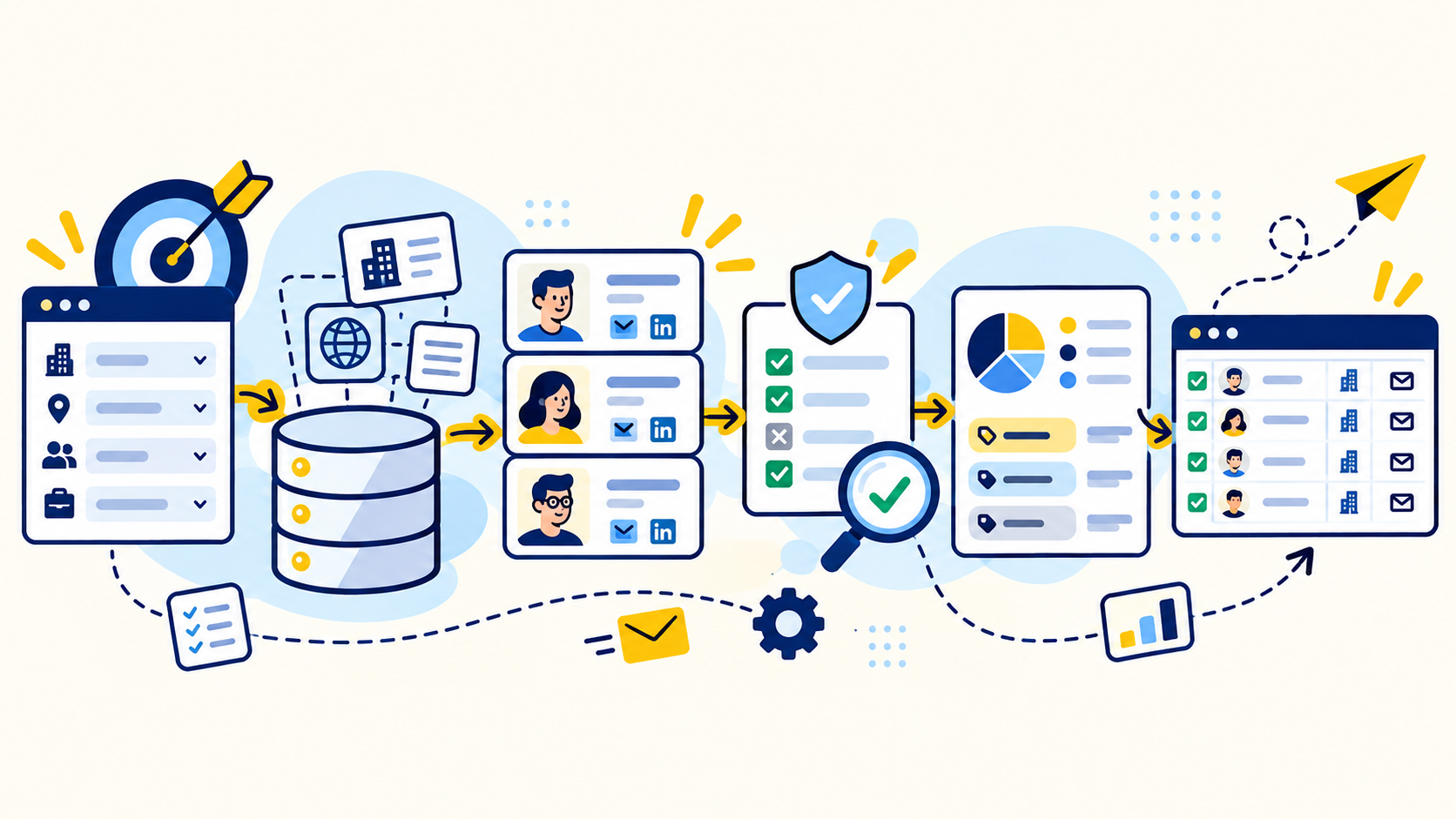
Use LinkedIn to qualify the right people, then find and verify business emails with a controlled B2B research workflow.
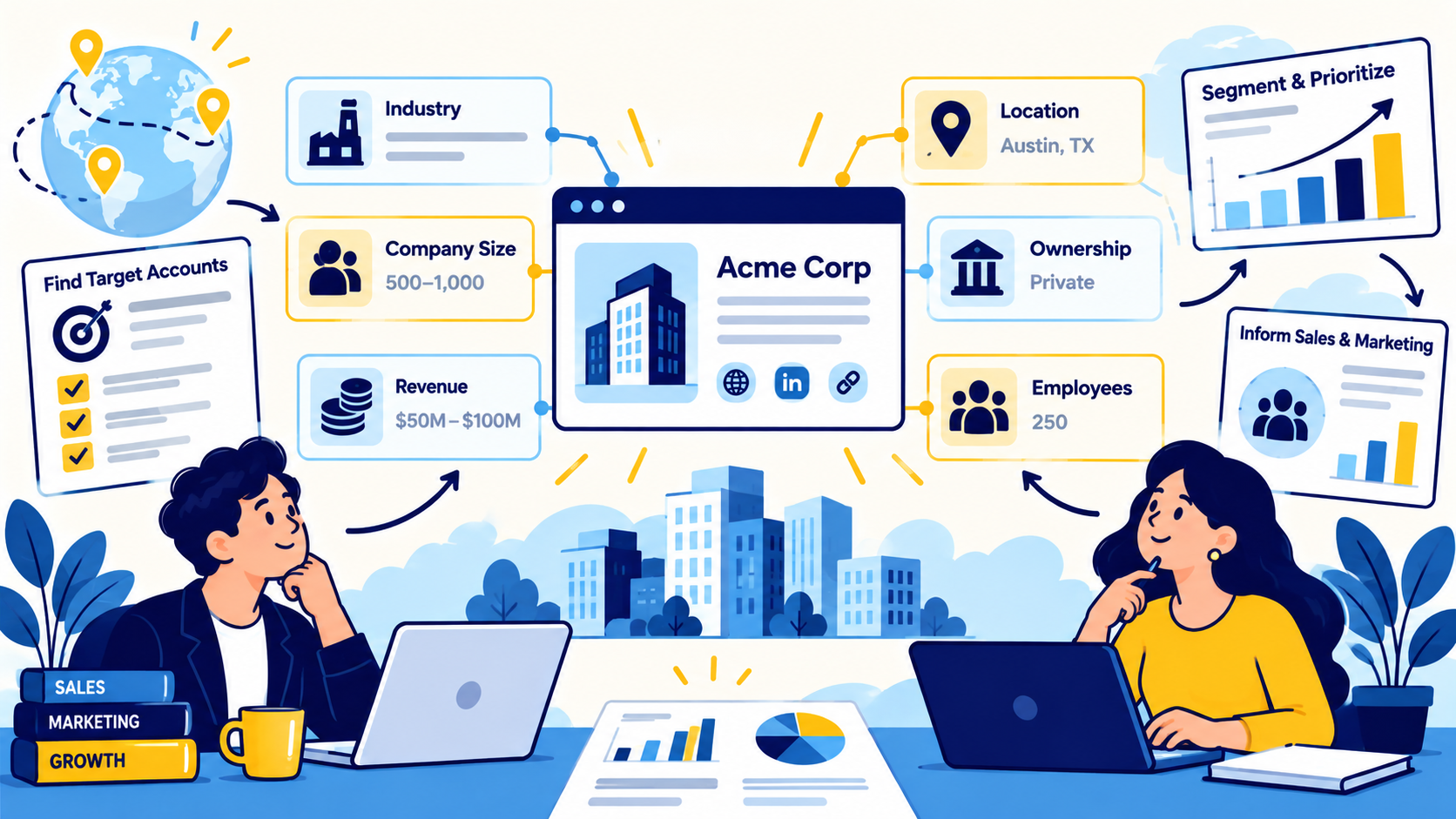
Understand the company-level fields that support targeting, segmentation, qualification, routing, and B2B research.
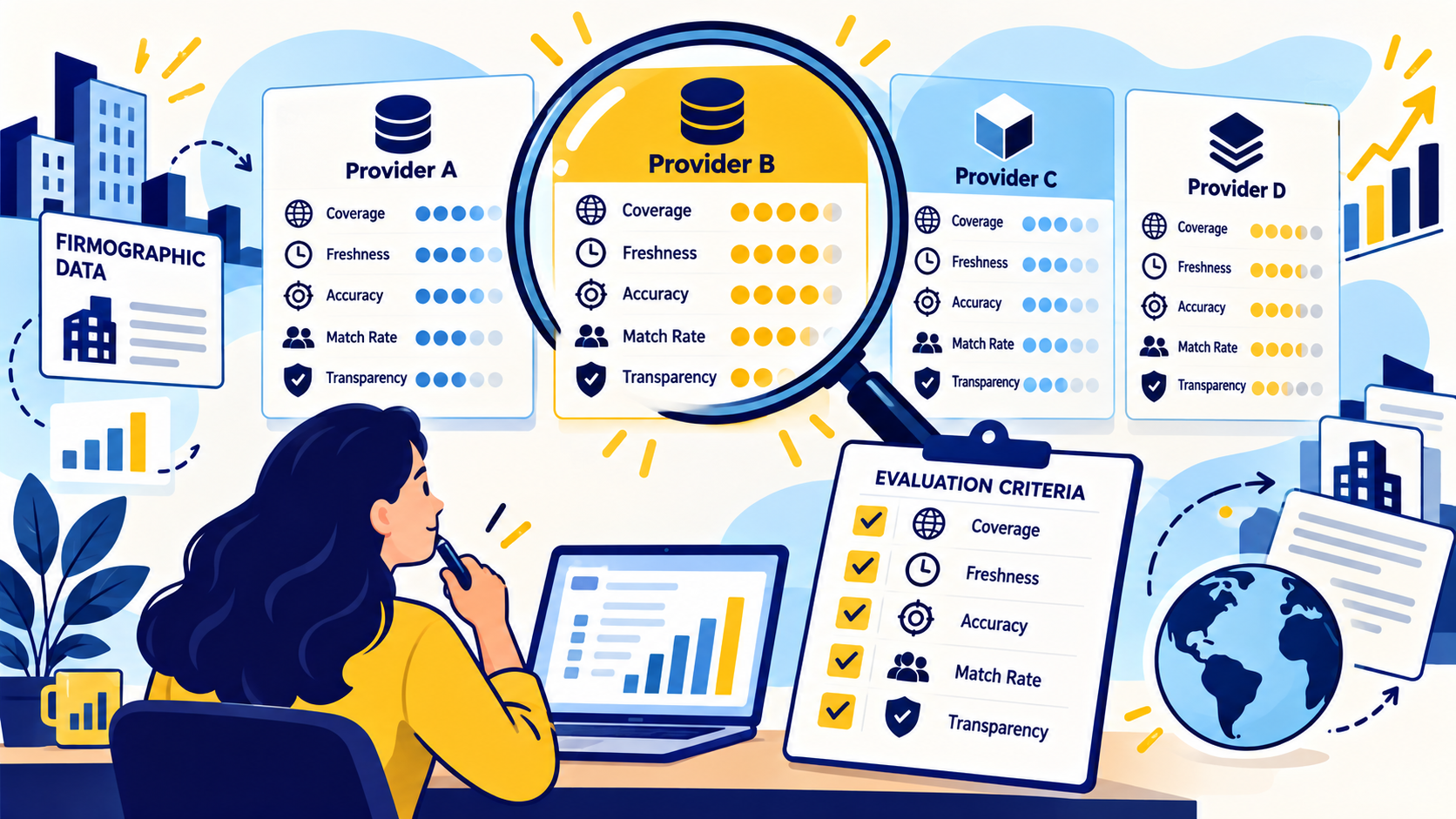
Compare providers using real-market coverage, field definitions, freshness, matching, workflow fit, and cost per usable record.
Everything you need to know about building accurate, compliant, and high-converting B2B contact lists.
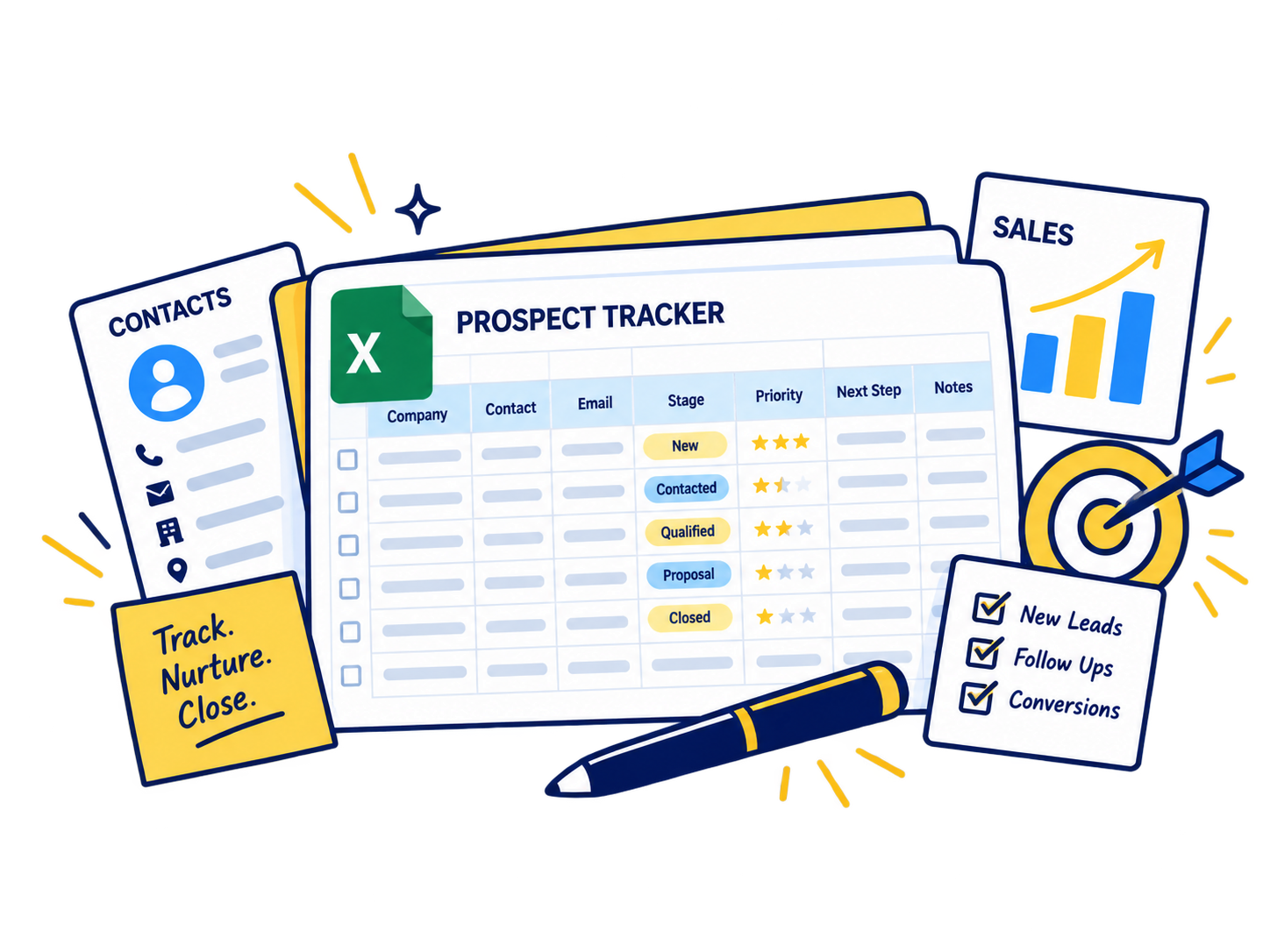
Track prospects, interactions, and follow-ups with this customizable spreadsheet template.
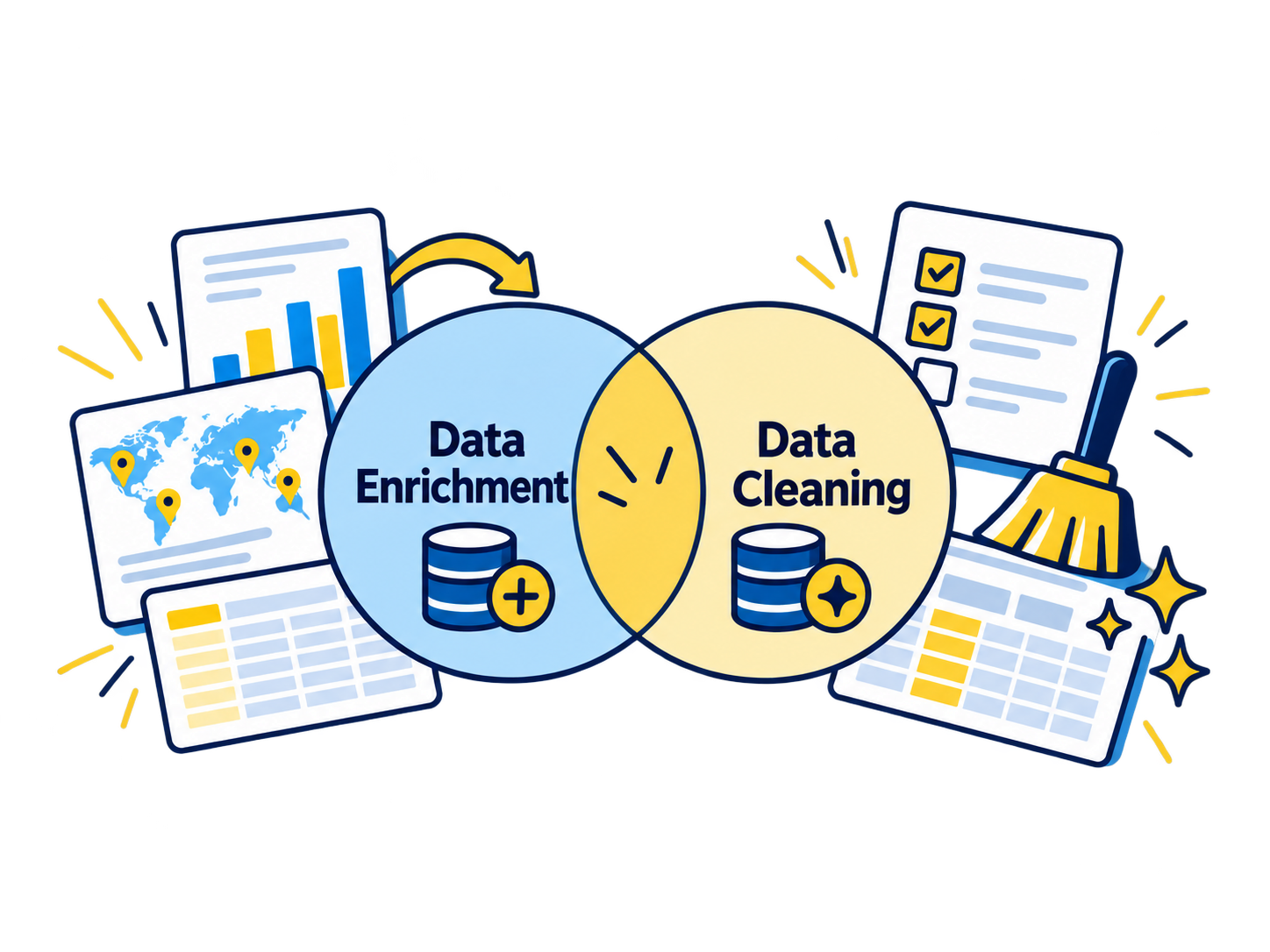
Understand the key differences and when to use each for maximum impact.
A step-by-step checklist to clean, deduplicate, and optimize your CRM data.

Definition, examples, and how firmographic data helps you target the right accounts.

See how we helped a B2B company build a highly targeted prospect database.
Practical guides, templates, and insights. No spam.