Sales intelligence starts with account fit
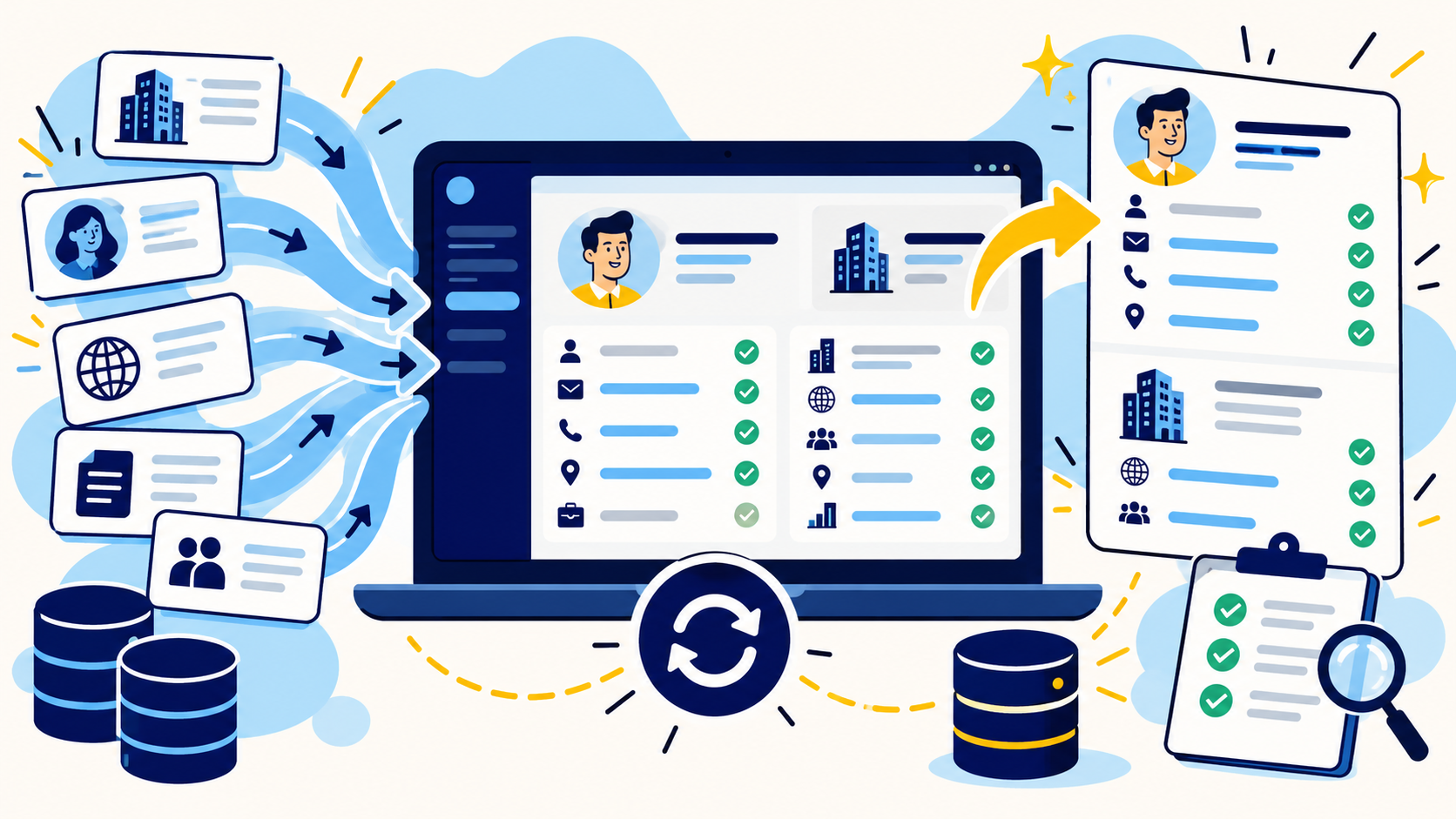
A useful sales-intelligence workflow first answers whether the company belongs in the target market. Industry, geography, employee count, revenue band, business model, locations, technology, and other account-level criteria can all be relevant depending on the offer.
This company layer prevents a common failure mode in lead generation: researching excellent contacts at accounts that were never qualified in the first place.
Contact intelligence identifies who matters inside the account
Once the account qualifies, the next layer is role intelligence. Titles should be interpreted by responsibility, not just seniority. A VP may own budget, while a director or manager may own the actual workflow and influence the evaluation.
DataDabble commonly structures B2B contact research around Company Name, Website, First Name, Last Name, Title, Direct Email, and LinkedIn URL, then adds project-specific fields when they improve qualification, routing, or personalization.
Add context that changes the conversation
Sales intelligence can include firmographics, technographics, locations, business model, recent company developments, organizational changes, public initiatives, or other account context. The right fields depend on what the team sells and how much research is justified before outreach.
The standard should be simple: keep context that changes who you target, what you prioritize, or what you say. Remove facts that look interesting but do not influence the sales motion.
Separate raw provider data from verified intelligence
Commercial databases make account and contact discovery faster, but exported values still need interpretation. Company records can be duplicated, people can change jobs, titles can be stale, and different providers can disagree on firmographic or technology fields.
A mature workflow marks which fields are provider-supplied, which have been verified, and which remain uncertain. The sales team should not have to guess whether every cell deserves the same level of trust.
Use multiple sources when the account is worth the effort
High-value accounts can justify deeper research. Paid tools, company websites, public professional profiles, press releases, job postings, leadership pages, and other legitimate business sources can each answer different questions.
The goal is not to collect every available fact. It is to resolve the important questions with enough evidence that the account and contact record can be used confidently.
Build the intelligence around the downstream workflow
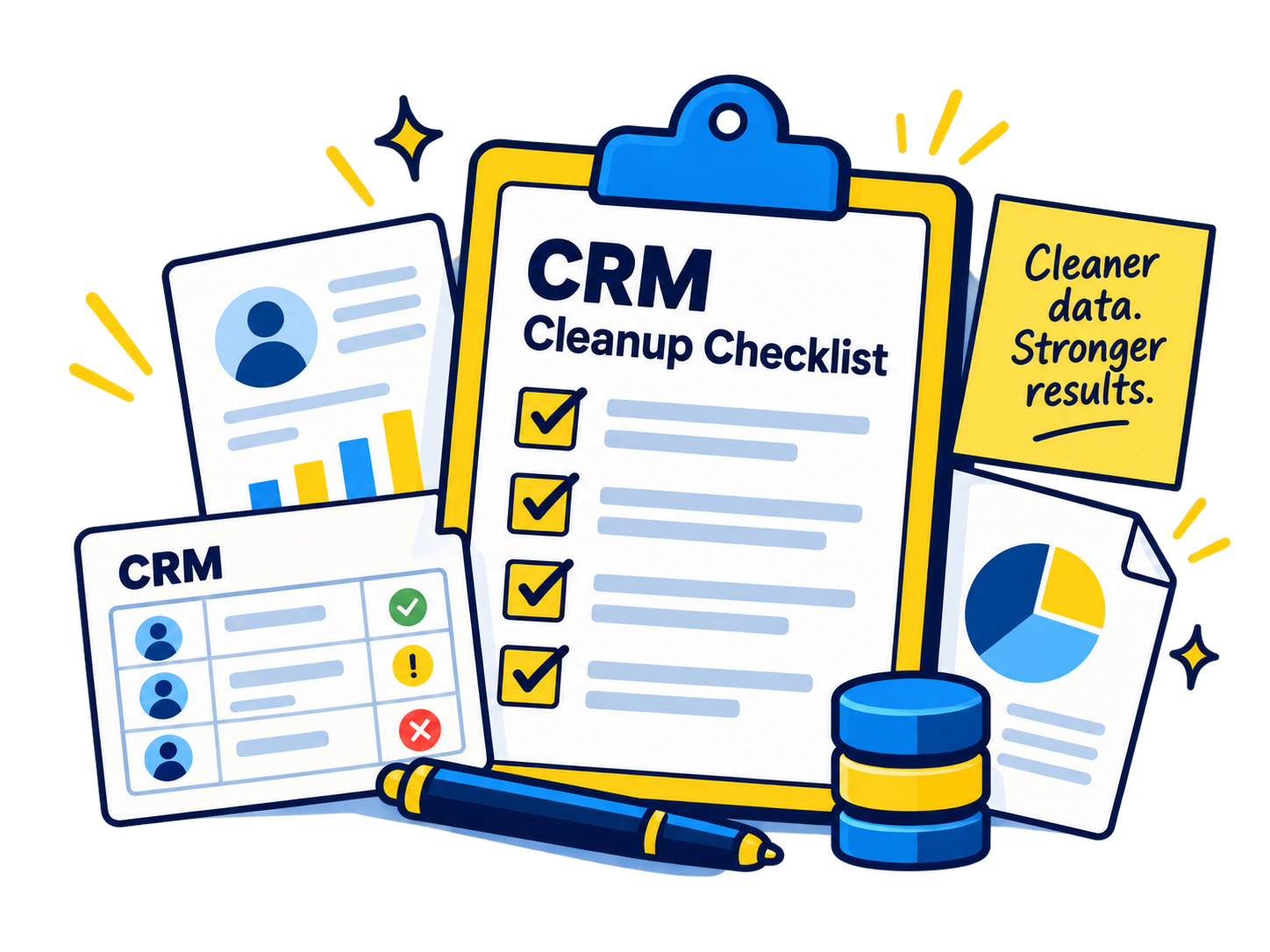
Sales intelligence is more useful when its schema matches what happens next. If the file will be imported into a CRM, field names, allowed values, duplicate logic, and required fields should be defined before research starts. If a sales team will work directly from a spreadsheet, filters and segmentation fields should be immediately understandable.
This is where data operations and sales research meet. Good research can still fail if the final file is inconsistent, difficult to filter, or impossible to map cleanly into the receiving system.
Measure intelligence by usefulness, not row count
A large dataset is not automatically strong sales intelligence. Better measures include the share of accounts that meet the ICP, contact acceptance by sales, duplicate rate, verified business-email coverage, completeness of critical fields, and how often additional manual research is still required.
A smaller, hand-picked account set with clear qualification and verified contacts can be more valuable than a massive export that forces sales to repeat the research themselves.
Common questions
What is B2B sales intelligence?
B2B sales intelligence is structured company, contact, and market context used to identify qualified accounts, find relevant decision makers, prioritize opportunities, and prepare more informed outreach.
How is sales intelligence different from a contact database?
A contact database is a source of records. Sales intelligence combines those records with qualification, verification, and account context tied to a specific sales motion.
What fields belong in a sales-intelligence dataset?
Common fields include company identity, website, firmographics, relevant contacts, titles, verified business emails, profile links, and any account-level fields that directly support qualification or outreach.
Does sales intelligence require multiple tools?
Not always. One source can be enough for simple markets, while niche targeting, custom fields, or high-value accounts often benefit from multiple sources and manual verification.
Final thoughts
B2B sales intelligence is the structured company, contact, and market context that helps a sales team decide which accounts to pursue, who to contact, and what is worth knowing before outreach. The distinction from a contact database is important. A database gives you records. Sales intelligence turns those records into a more useful account view by combining qualification, people, context, and verification around a specific sales motion.
Need help improving your business data?
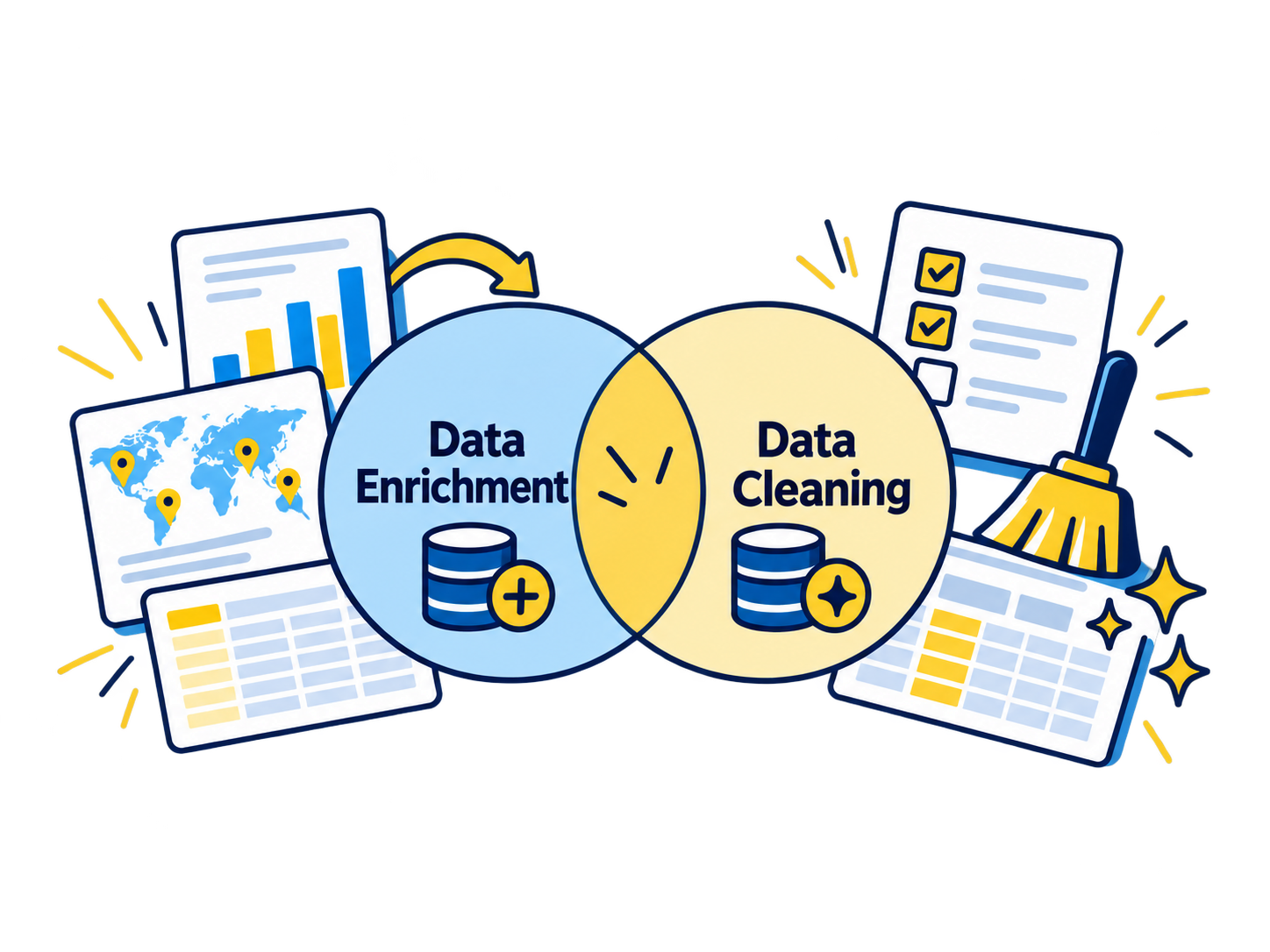
DataDabble can research, clean, enrich, and maintain the records your team depends on.