Start with the question, not the source
Good company research begins with a defined output. A sales team may need industry, employee range, headquarters, decision-makers, and business emails. A market-research project may need ownership, locations, products, recent expansion, and competitors. A data-operations project may only need the legal entity name, website, and source links.
Write the required fields before research begins. This prevents unnecessary collection and makes it easier to decide which sources deserve the most weight.
- Define required and optional fields
- Decide what counts as verified
- Set a source preference for high-impact fields
- Record a source URL and research date when useful
Use the source that is strongest for the field
No single source is best for every company attribute. Official company websites are useful for products, locations, leadership, and positioning. SEC EDGAR provides free public access to filings for public companies, including 10-K, 10-Q, and 8-K reports. State corporate registries can help confirm legal entities and standing. Commercial databases can speed up common firmographic or contact lookups, but their values still need judgment when accuracy matters.
The practical rule is field-level sourcing. Use the strongest available source for the fact you are trying to establish instead of trusting one database for the entire record.
Resolve identity before collecting details
Company names are not unique identifiers. Businesses can share similar names, operate under brands, use parent-company domains, maintain multiple locations, or change names over time. Before collecting detailed information, confirm that the company, domain, location, and entity you found actually belong together.
A useful identity check compares the website domain, physical location, company description, legal name, and other stable signals. If those do not line up, stop and resolve the entity before enriching the record further.
Treat conflicting information as a research task
Employee counts, revenue estimates, industries, ownership details, and even addresses often differ across sources. Do not silently choose the largest number or the first result. Compare source dates, definitions, and authority.
For example, one source may report global employees while another reports only U.S. employees. One database may estimate revenue while a public filing reports audited results. A strong research output either selects the best-supported value or records the range and uncertainty.
Build a repeatable verification workflow
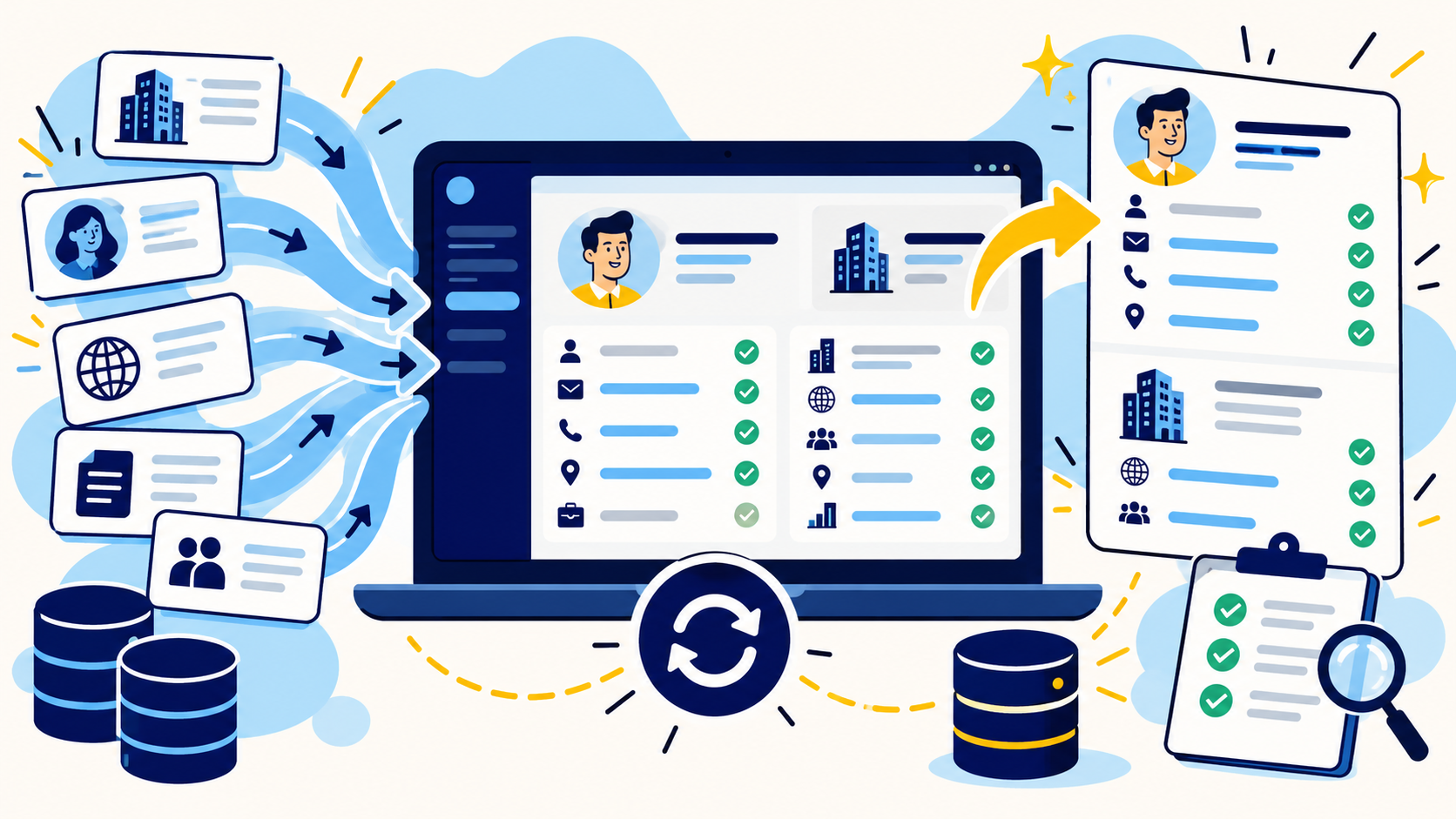
For recurring research, consistency matters as much as individual judgment. DataDabble typically works from a defined schema, researches fields against appropriate sources, keeps source links where helpful, flags ambiguous records, and performs a final QA pass before delivery.
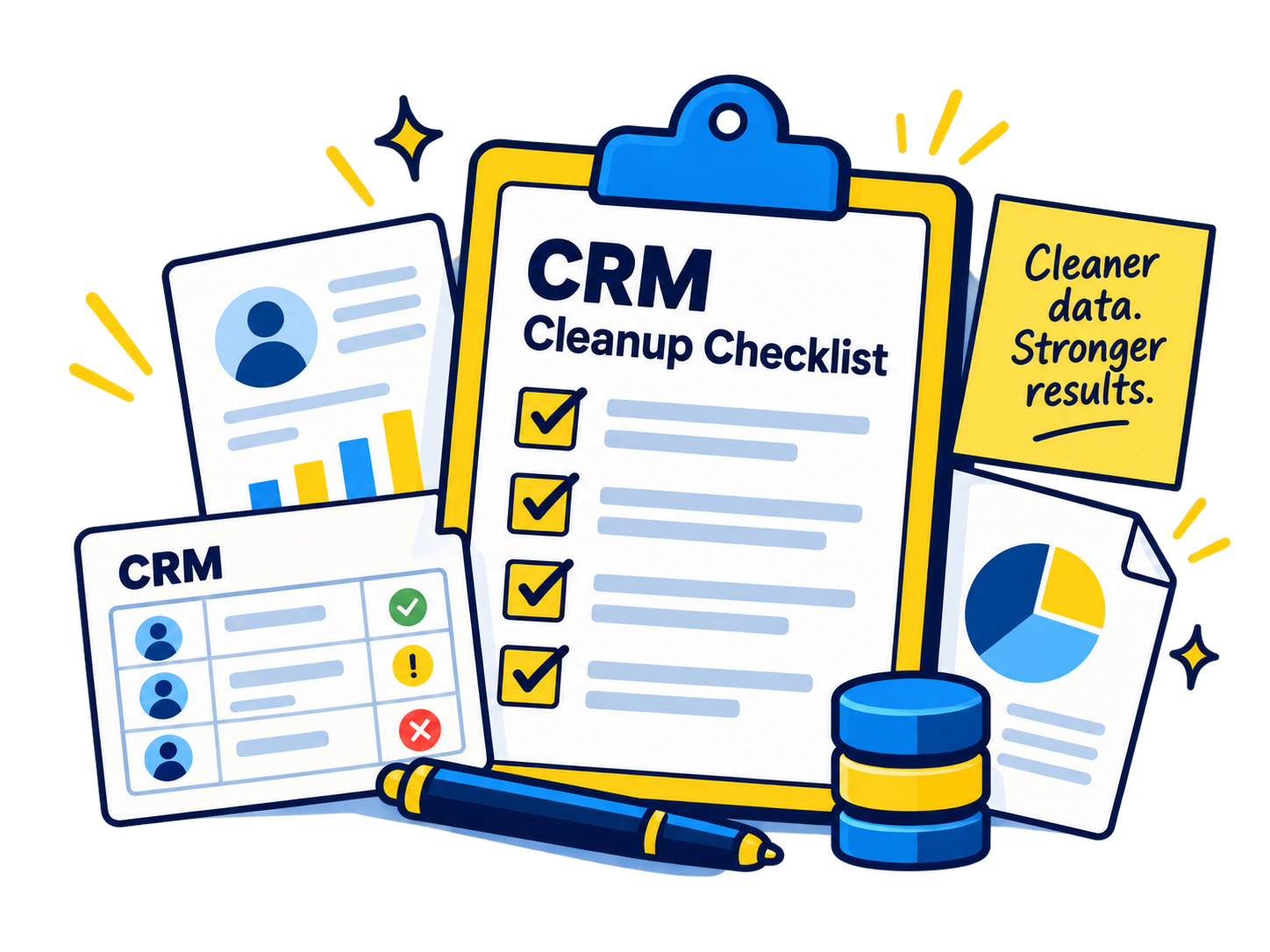
The final review should check whether required fields are complete, whether company and contact records still match the project criteria, whether duplicates slipped in, whether formatting is consistent, and whether any unsupported values need to be removed or labeled uncertain.
- Confirm entity and domain
- Research required company fields
- Cross-check high-impact values
- Capture source links when appropriate
- Flag ambiguity instead of guessing
- Run final completeness and consistency QA
When manual company research is worth the time
Manual research is most valuable when criteria are narrow, the companies are hard to classify, records are missing from common databases, multiple sources disagree, or the cost of a wrong match is high. It is less valuable when the project only needs broad, standard firmographics that a reliable database already covers well.
The best workflow often combines both. Use databases to accelerate common lookups, then use human research to verify edge cases, niche companies, decision-critical fields, and anything that does not fit cleanly into a standard provider.
Common questions
What is company research?
Company research is the process of finding, verifying, and organizing information about a business from sources such as company websites, public filings, government records, databases, news, and professional sources.
What is the best source for company information?
There is no single best source for every field. Official filings are strong for public-company financial and legal information, company websites are useful for products and locations, registries help with legal entities, and commercial databases can accelerate common firmographic and contact research.
How do you verify company research?
Verify the company identity first, then cross-check high-impact fields against appropriate sources, compare dates and definitions, and preserve source links or notes for values that may need review.
When should company research be done manually?
Manual research is useful for niche markets, ambiguous company identities, conflicting sources, custom fields, and projects where a wrong record would create meaningful downstream cost.
Final thoughts
Company research is not just searching a business name and copying the first result. Reliable research means defining what you need, choosing sources that fit each field, resolving contradictions, recording where information came from, and knowing when a value is uncertain. The goal is not to collect everything. The goal is to produce business information someone can actually trust and use.
Need help improving your business data?
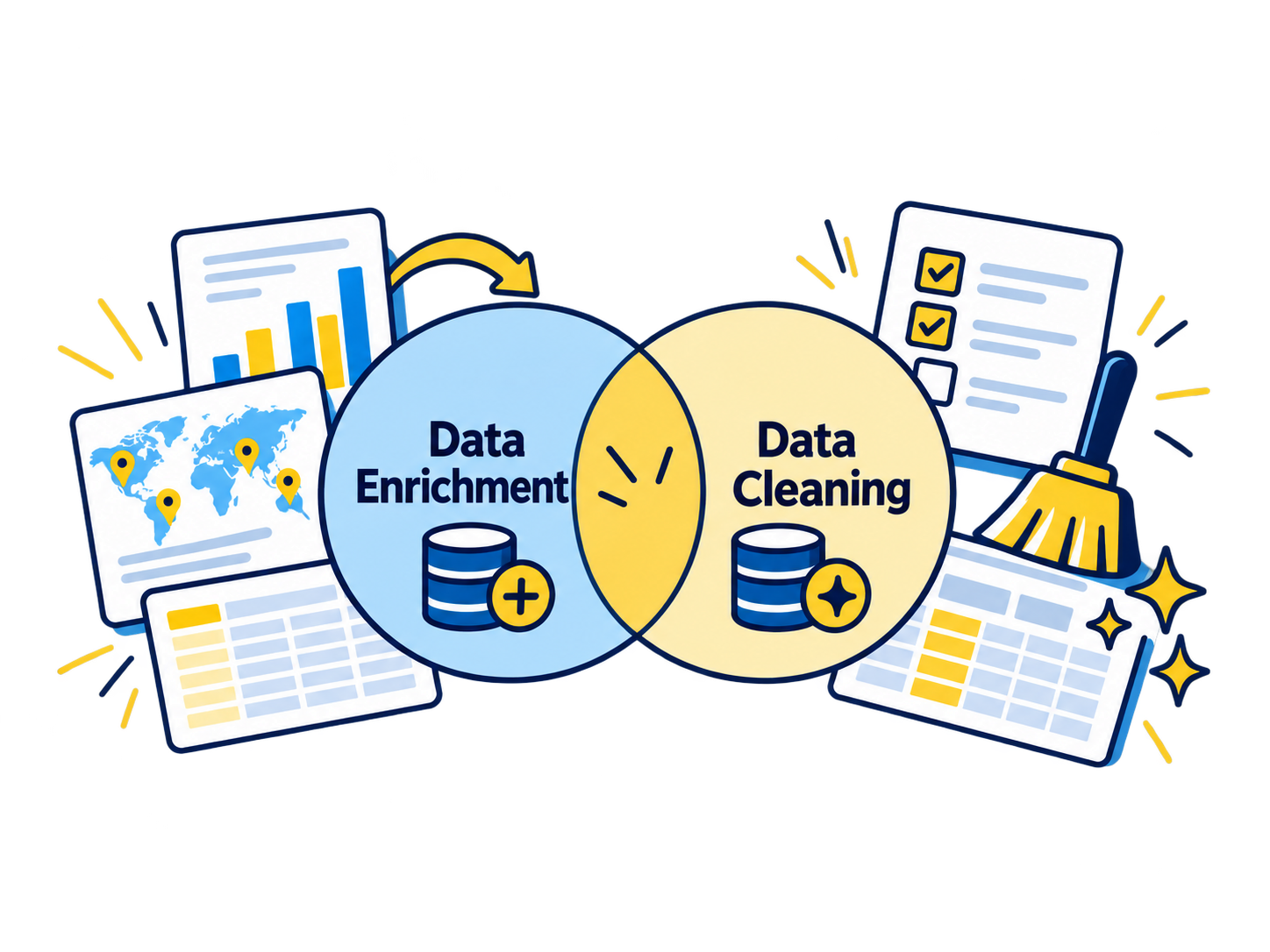
DataDabble can research, clean, enrich, and maintain the records your team depends on.