What company research services can include
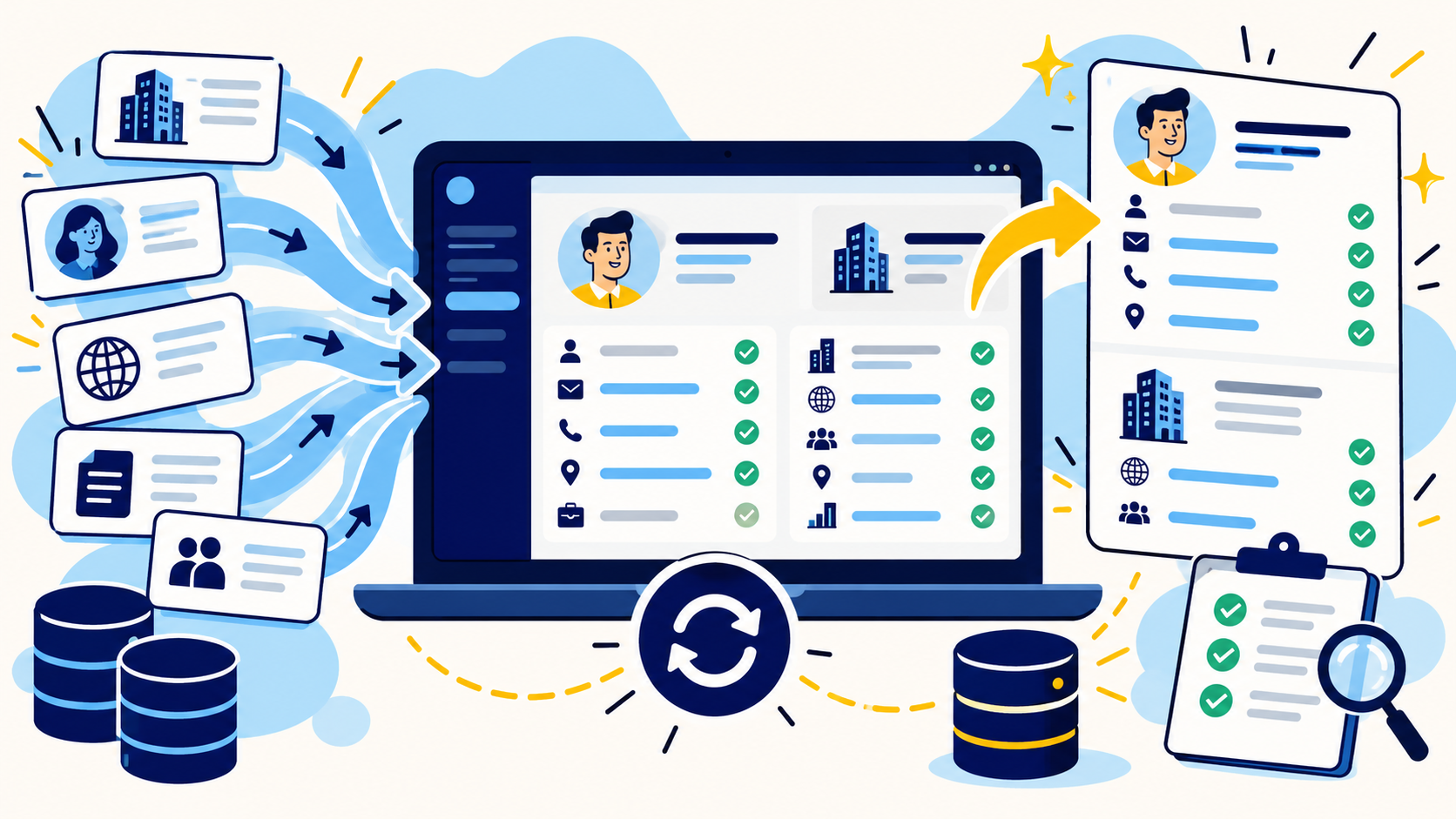
Outsourced company research can cover firmographics, ownership, locations, products, industry classifications, decision-makers, business contact information, source links, competitor details, technology signals, and custom project-specific fields. The scope can range from a one-time list to recurring research that keeps a dataset current.
The best service is built around the client's actual schema. If the team only needs six fields, there is no value in delivering thirty.
- Company identification and website matching
- Firmographic and location research
- Decision-maker and contact research
- Competitor and market research
- Custom business attributes
- Source documentation and recurring updates
Define the output before the project starts
A clean scope specifies the target universe, inclusion and exclusion rules, required columns, accepted formats, source expectations, and what should happen when a value cannot be verified. This prevents silent assumptions and makes quality measurable.
For B2B research, DataDabble commonly works with structured fields such as Company Name, Website, First Name, Last Name, Title, Direct Email, LinkedIn URL, plus custom requested fields. Projects can also include source links or notes when traceability matters.
Choose between database-first and research-first workflows
A database-first workflow makes sense when the market is broad and the fields are common. A research-first workflow is stronger when companies are niche, attributes are custom, sources disagree, or the project requires judgment that a filter cannot express.
Many good projects use both. Paid data tools accelerate discovery, while manual research verifies fit, fills missing values, and resolves edge cases.
How to evaluate research quality
Do not judge a company research service only by row count. Evaluate whether the right companies were included, whether required fields are complete, whether high-impact values are accurate, whether records are current enough for the use case, whether duplicates are controlled, and whether the output follows the agreed schema.
Ask how ambiguous records are handled. A provider that flags uncertainty is often more useful than one that fills every cell with low-confidence data.
- Target-fit accuracy
- Required-field completeness
- Field-level verification
- Source traceability
- Duplicate control
- Formatting consistency
- Clear handling of unknown values
When outsourcing beats another software subscription
Another data platform can be the right answer when your team has ongoing volume, standard filters, and internal capacity to verify results. Outsourcing makes more sense when the research is irregular, custom, labor-intensive, or dependent on human judgment.
The comparison should be based on usable output, not subscription price alone. Include the employee time required to search, clean, verify, deduplicate, document, and format the data after the tool returns it.
What a strong research handoff looks like
A finished project should arrive in a format the receiving team can use without another cleanup cycle. Columns should be standardized, required fields should follow the agreed rules, duplicates should be addressed, exceptions should be clear, and source documentation should be included when requested.
That is the difference between outsourced research and outsourced searching. The deliverable should reduce work for the client, not move the mess downstream.
Common questions
What do company research services do?
They research, verify, organize, and deliver business information such as firmographics, company attributes, decision-makers, contact information, locations, competitors, and custom fields.
When should company research be outsourced?
Outsourcing is useful when the work is custom, repetitive, time-consuming, difficult to automate, or dependent on human verification and judgment.
How should I scope a company research project?
Define the target criteria, exclusions, required fields, accepted formats, preferred sources, verification rules, handling of unknown values, delivery format, and QA expectations before work begins.
How do I compare company research providers?
Compare target-fit accuracy, field-level completeness, verification methods, source traceability, duplicate control, turnaround, handling of exceptions, and the amount of cleanup required after delivery.
Final thoughts
Company research services are useful when a business needs accurate information but does not want employees spending hours collecting, reconciling, and formatting it. The strongest engagements are not vague requests to research companies. They are clearly scoped data projects with defined criteria, required fields, source rules, formatting standards, QA expectations, and a finished output that plugs into a real workflow.
Need help improving your business data?
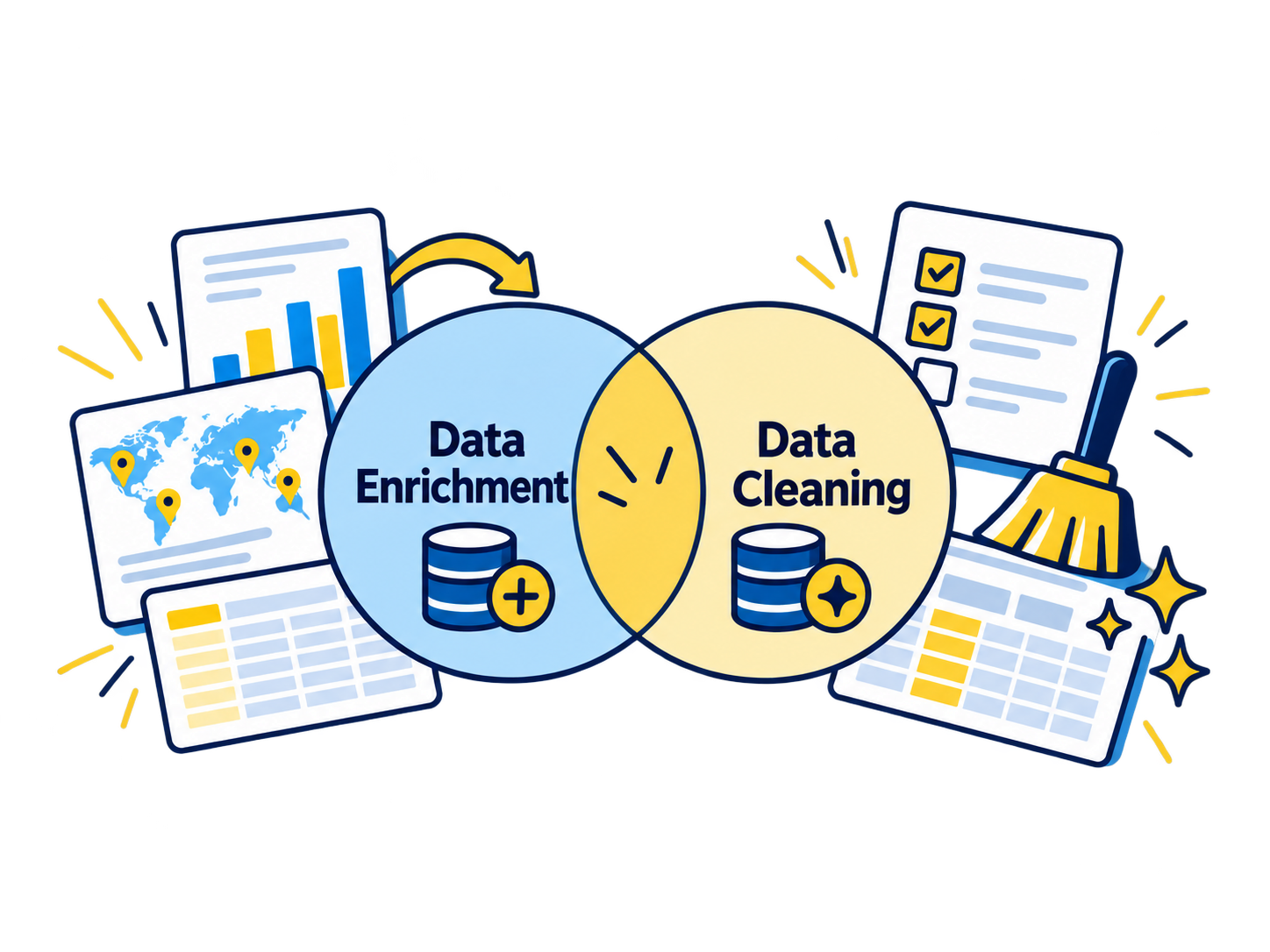
DataDabble can research, clean, enrich, and maintain the records your team depends on.